


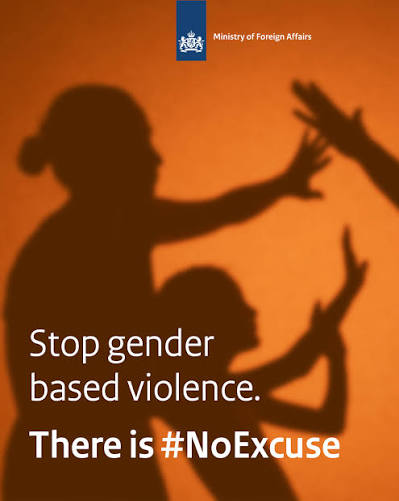
The Institute of Human Virology Nigeria (IHVN) has urged government authorities, healthcare stakeholders and community organisations to intensify efforts to combat Gender-Based Violence (GBV), warning that people living with HIV and tuberculosis (TB) remain particularly vulnerable to abuse.
The call was made by Dr. Olayemi Olupitan, Project Director for Global Fund Grant Cycle 7 Nigeria at IHVN, during an interview with the News Agency of Nigeria (NAN) on the sidelines of a workshop.
Olupitan stressed that while significant attention has been given to combating HIV, tuberculosis and malaria, greater focus must also be placed on addressing gender-related challenges that continue to affect patients receiving treatment and care across the country.
According to her, evidence gathered from Antiretroviral Therapy (ART) clinics indicates that many individuals undergoing treatment for HIV and TB are exposed to various forms of gender-based violence, making comprehensive support services a necessity.
“It is important not only to focus on malaria, TB and HIV, but also to pay attention to gender-based violence,” she said.
She explained that healthcare providers have observed a disturbing pattern of increased vulnerability to GBV among patients attending ART clinics, prompting the introduction of routine screening measures during clinic visits.
“We have noticed over time that many of the people receiving care in our ART clinics, including those living with HIV and TB, face a higher risk of gender-based violence. As a result, deliberate efforts are being made to screen patients whenever they come for treatment to identify those who may be experiencing abuse,” she said.
Olupitan noted that survivors identified through the screening process receive support tailored to their specific needs. Victims of sexual violence are screened and treated for sexually transmitted infections, while those with physical injuries receive appropriate medical care and follow-up treatment.
She added that individuals suffering emotional or psychological abuse are offered counselling and psychosocial support, while those requiring additional assistance are referred to relevant government agencies and specialised service providers.
“For those who need more support than we can provide directly, we connect them with state agencies and other organisations. Some survivors may even require safe housing, and we facilitate those referrals,” she said.
The IHVN official emphasised the need for stronger collaboration among healthcare institutions, government agencies and community-based organisations to ensure survivors have access to protection, healthcare and social support services.
She also called for improved documentation of GBV cases and encouraged survivors to speak out and seek help, noting that underreporting continues to hinder efforts to address the problem effectively.
“It is time we stopped paying lip service to GBV management. Many survivors are still suffering in silence. We must improve documentation and take the issue far more seriously,” she said.
Olupitan further advocated for tougher legal measures to ensure perpetrators are held accountable, arguing that weak enforcement and impunity continue to undermine efforts to prevent violence and protect vulnerable populations.
“They should strengthen the legal framework to ensure perpetrators do not go free. It should no longer be business as usual,” she added.
She maintained that sustained commitment from all levels of government and relevant stakeholders is critical to protecting vulnerable groups and reducing the prevalence of gender-based violence across the country.

Comments (0)
No comments yet. Be the first to share your thoughts!