


Concerned by the number of children missing out on life-saving vaccines, UNICEF and the Katsina State Government have enlisted the support of religious leaders across the state in a fresh effort to boost routine immunisation and improve access to essential healthcare services.
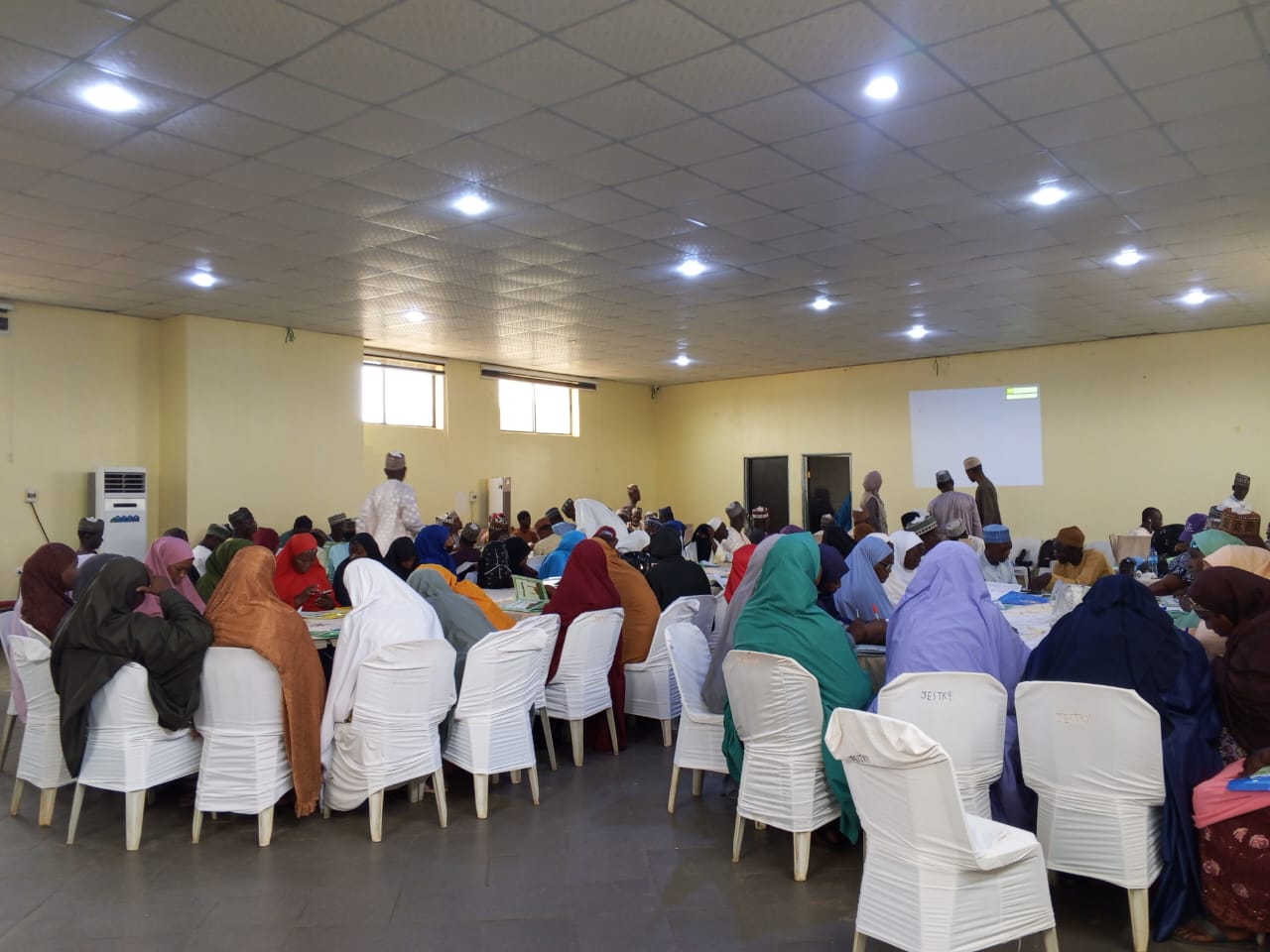
The initiative was launched on Wednesday during a “Faith for Life” engagement meeting that brought together Imams, pastors and traditional leaders from all 34 local government areas of Katsina State.
The gathering, organised by the Katsina State Primary Health Care Development Agency (KSPHCDA) in partnership with UNICEF’s Kano Field Office, focused on strengthening the role of faith leaders in addressing health challenges affecting women and children.
Speaking at the event, UNICEF Social and Behaviour Change Specialist, Dr. Ogwu Enemaku, said religious leaders occupy a unique position of trust within communities and can play a crucial role in encouraging parents to embrace routine immunisation.
According to him, regular interaction between faith leaders and community members provides an opportunity to address misconceptions surrounding vaccines and improve public confidence in health interventions.
Enemaku urged the clerics to incorporate messages on immunisation, maternal and child health, nutrition and disease prevention into sermons, counselling sessions and other religious activities.
A major focus of the engagement was the challenge of “zero-dose” children—those who have never received any routine vaccination.
Presenting findings from her research, Prof. Rukayya Aliyu of Bayero University Kano (BUK) highlighted factors contributing to the persistence of zero-dose children in some communities and called on religious leaders to help reverse the trend.
She said faith leaders could significantly increase vaccine acceptance by mobilising parents and caregivers, particularly in hard-to-reach and underserved communities, to take advantage of available immunisation services.
Aliyu noted that their influence could complement the efforts of healthcare workers and help protect children from diseases that can be prevented through vaccination.
One of the highlights of the event was the unveiling of revised “Faith for Life” handbooks tailored for both Muslim and Christian communities.
The Islamic version of the handbook was presented by Dr. Kabir Muhammad, while Rev. Samuel Adeyemo of the Christian Association of Nigeria (CAN) unveiled the Christian edition.

The presenters encouraged participants to utilise the health messages and scriptural references contained in the handbooks to promote healthy practices among their followers.
Beyond immunisation, discussions also touched on the welfare of children in the Almajiri education system.
Prof. Hashim Kurfi of Bayero University Kano called for stronger integration of health and educational services for Almajiri children, urging religious leaders to support initiatives aimed at improving their wellbeing and future prospects.
Also speaking, Deputy Director of Community Outreach and Development at the National Orientation Agency (NOA), Ms. Amaka Aninta, described religious leaders as trusted voices whose influence can drive meaningful behavioural change.
She reaffirmed the agency’s commitment to working with UNICEF, KSPHCDA and faith-based institutions to expand awareness on maternal healthcare, nutrition, immunisation and education.
In her remarks, Acting Executive Secretary of KSPHCDA, Dr. Shema’u Abba, stressed that improving healthcare outcomes requires collective action from government, communities and religious institutions.
She said faith leaders remain vital partners in efforts to improve maternal and child health, noting that their guidance often shapes decisions made by families regarding the welfare of women and children.
According to Abba, the government alone cannot overcome the challenges facing primary healthcare delivery, making community-based partnerships essential to achieving lasting progress.
The religious leaders at the meeting welcomed the initiative and pledged to use their mosques, churches and other community platforms to promote vaccination, health education and other programmes aimed at improving the lives of children, women and vulnerable groups across Katsina State.
The commitment marks a renewed push to tackle vaccine hesitancy and ensure that more children receive the protection they need against preventable diseases.

.jpg)

Comments (0)
No comments yet. Be the first to share your thoughts!