


Northern Nigeria's rich cultural heritage took centre stage thousands of kilometres away from home as the vibrant traditions of Arewa captivated audiences in Canada during the third edition of the Flavours of Nigeria Festival, transforming a public park in Brampton into a colourful showcase of Nigerian identity, history and diplomacy.
Held on August 15, 2026, at Gage Park in Brampton, Ontario, the festival drew cultural enthusiasts, community leaders, government officials and members of the Nigerian diaspora to an event that celebrated the diversity and enduring influence of Northern Nigerian culture on the global stage.
This year's festival, themed “The Royal Courts of Arewa: Culture as a Bridge to Peace,” offered visitors a unique experience through traditional cuisine, music, fashion, arts, storytelling and displays of royal heritage, highlighting the values and customs that have shaped communities across Northern Nigeria for generations.
However, beyond the colourful performances and cultural exhibitions, one event emerged as the defining moment of the festival.
In a symbolic ceremony that attracted widespread attention, Brampton Mayor Patrick Brown was conferred with the traditional title of Sarkin Brampton, an honour that organisers described as a powerful expression of cultural diplomacy and friendship between Nigeria and Canada.
The turbaning ceremony reflected the significance of traditional institutions in fostering understanding among people of different backgrounds and demonstrated how cultural heritage can serve as a unifying force in an increasingly interconnected world.
For many attendees, the moment represented more than a ceremonial title. It underscored the growing relationship between Nigerian communities abroad and their host societies, while showcasing the enduring relevance of traditional leadership structures in promoting dialogue, peace and mutual respect.
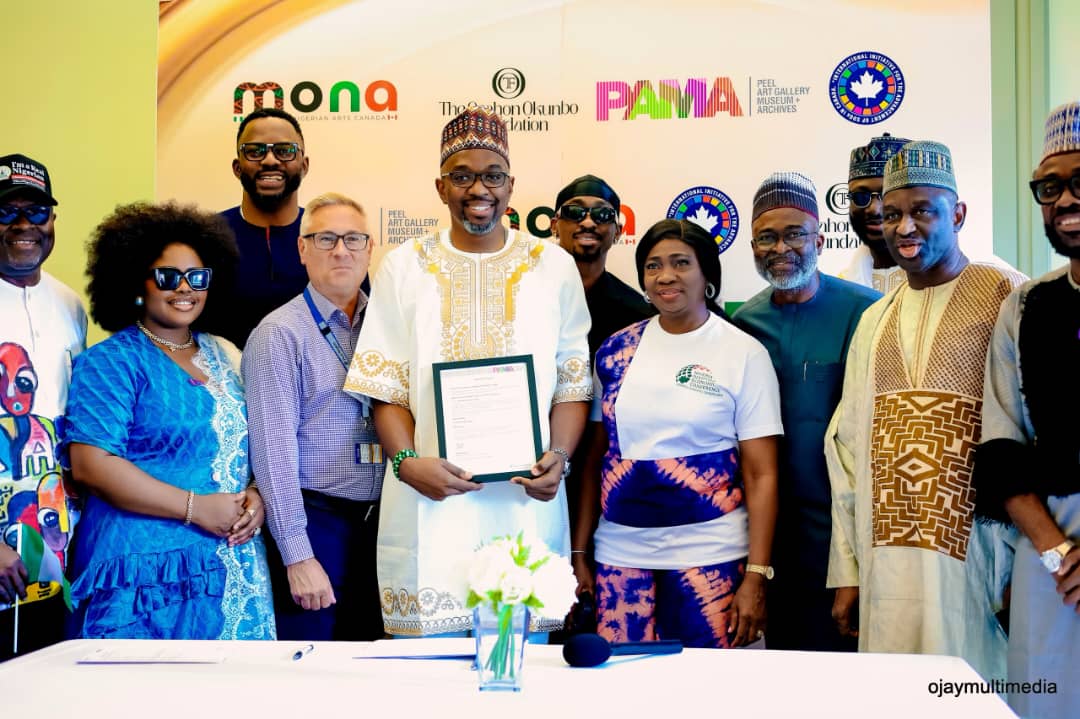
Another landmark achievement of the festival was the unveiling of the first-ever Pop-Up Museum of Nigerian Arts (MONA), launched through a collaboration with the Peel Art Gallery, Museum and Archives (PAMA).
The initiative introduced Canadian audiences to a carefully curated collection of Nigerian artistic and cultural expressions, offering deeper insight into the country's history, creativity and diverse heritage.
Organisers said the museum project was designed to create lasting institutional partnerships that would strengthen cultural exchange between both countries while giving Nigerian artists and cultural practitioners a broader international platform.

The exhibition also highlighted the growing recognition of Nigeria's creative sector as a valuable contributor to global cultural conversations and economic opportunities.
Beyond the festivities, organisers stressed that the event was strategically positioned as a platform for tourism promotion, economic engagement and international collaboration.
By bringing together Nigerians, Canadians, entrepreneurs, policymakers and cultural stakeholders, the festival demonstrated how culture can transcend entertainment and become a tool for building stronger diplomatic and commercial relationships.
Participants explored opportunities for collaboration in tourism, arts, education, business and community development, reinforcing the idea that cultural heritage can serve as a catalyst for broader socio-economic partnerships.
The festival also provided an opportunity for members of the Nigerian diaspora to reconnect with their roots while introducing younger generations born abroad to the traditions, values and histories that define their heritage.
For many visitors, the sights, sounds and flavours of Arewa offered a powerful reminder that culture remains one of Nigeria's most valuable exports—capable of opening doors, creating connections and reshaping perceptions across continents.
As the curtains fell on the 2026 edition, the success of the event reinforced the growing global appeal of Nigerian culture and the increasing role of diaspora-led initiatives in promoting the country's image abroad.
With royal traditions, artistic excellence and cultural diplomacy taking centre stage, the Flavours of Nigeria Festival once again proved that heritage can be far more than a celebration of the past—it can be a bridge to new opportunities, stronger international relationships and a shared future built on mutual understanding.

.jpg)
Comments (0)
No comments yet. Be the first to share your thoughts!