


By Taibat Ummi Yakubu
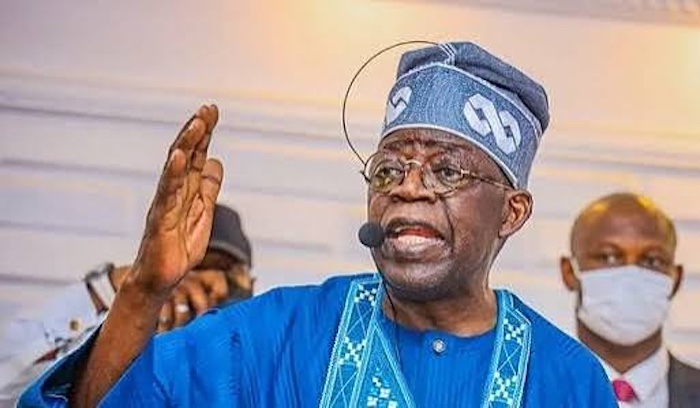
President Bola Ahmed Tinubu has welcomed the World Bank’s October 2026 Nigeria Development Update, describing its findings as evidence that his administration’s economic reforms are beginning to deliver results, even as millions of Nigerians continue to grapple with the high cost of living.
The report, titled Beyond the Federal Purse: How Higher Revenues Reshaped State Priorities, highlighted improvements in economic growth, government revenue and fiscal management, while projecting a gradual decline in poverty as the economy expands faster than the population.
In a statement issued by his Special Adviser on Information and Strategy, Bayo Onanuga, the President noted the World Bank’s assessment that Nigeria’s poverty rate had stabilised for the first time since 2019. He said the development suggested that the country’s economic recovery was gaining ground, although more work was needed to translate the gains into improved living conditions for ordinary Nigerians.
According to the report, Nigeria’s economy grew by 4.2 per cent in the first half of 2026, compared with 3.9 per cent during the corresponding period in 2025, despite economic pressures associated with the conflict in the Middle East. The World Bank also projected that economic growth would average at least 4.4 per cent between 2026 and 2028.
On inflation, the report showed that the rate declined from 27.6 per cent in January 2025 to 15.2 per cent in December of the same year. However, higher global fuel prices linked to the Middle East conflict have slowed the pace of disinflation, with the World Bank expecting inflation to ease further to approximately 12 per cent by 2028.
The Presidency also pointed to the report’s findings on government revenue, which showed that economic reforms introduced since 2023 helped increase federation revenues by 69 per cent in real terms between 2023 and 2025, with state governments emerging as the biggest beneficiaries.
Onanuga said the World Bank found that internally generated revenue increased in real terms in 31 of 35 states, while 21 states reduced their debt-to-GDP ratios between 2021 and 2025. Nigeria’s overall public debt is also projected to decline from 40 per cent of GDP in 2025 to 38.1 per cent in 2026.
Tinubu attributed the reported improvements to what his administration considers necessary, though difficult, economic decisions, particularly the removal of petrol subsidies, the unification of the foreign exchange market and efforts to strengthen fiscal discipline.
“These findings confirm that the difficult but necessary decisions to remove the petrol subsidy, unify the foreign exchange market and strengthen fiscal discipline have raised revenues, stabilised the economy and created fiscal space for every tier of government to invest in its people,” the President said.
He acknowledged, however, that the benefits of the reforms had yet to fully translate into better living conditions for all households, stressing that reducing food prices and creating decent employment opportunities for young Nigerians remained urgent priorities.
Tinubu pledged to sustain the reform programme while placing greater emphasis on inclusive growth under his Renewed Hope Agenda. He said the government would expand targeted cash transfers, which the Presidency said had already reached more than 10 million households, while accelerating the deployment of compressed natural gas (CNG), improving agricultural productivity and widening access to affordable healthcare and quality education.
The President also called on state governments to manage their increased revenues more prudently and channel public funds into projects capable of improving living standards, particularly in the health and education sectors.
He commended the Economic Management Team, led by the Minister of Finance and Coordinating Minister of the Economy, alongside state governors and other stakeholders, for their roles in implementing the reforms.
Tinubu assured Nigerians that his administration would continue pursuing its economic agenda, expressing confidence that the next phase of the Renewed Hope Agenda 2.0 would accelerate efforts to deliver shared prosperity.
While the World Bank’s projections offer a cautiously positive outlook for economic growth and public finances, the challenge for the Federal Government and state administrations remains turning higher revenues and improving economic indicators into tangible relief for households facing food costs, transport expenses and other pressures on their daily lives.
Comments (0)
No comments yet. Be the first to share your thoughts!