


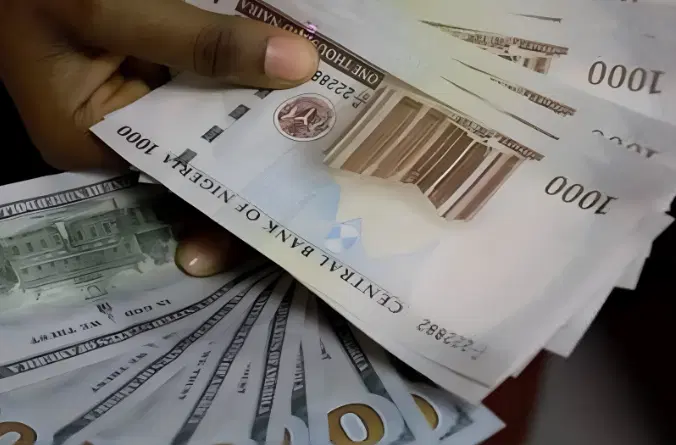
The Nigerian naira continued to show signs of stability in the official foreign exchange market on Thursday, August 6, 2026, but a significant gap remains between rates offered through the regulated market and those obtainable in the parallel market.
Fresh figures released by the Central Bank of Nigeria (CBN) indicate that the Nigerian Foreign Exchange Market (NFEM) rate stood at approximately ₦1,362.55 to the United States dollar, compared to ₦1,364.83 recorded earlier in the week. The latest data suggest that the local currency has largely maintained its position within the ₦1,360 range in recent trading sessions.
However, while the official market remained relatively steady, activity in the parallel market painted a different picture.
Checks on Thursday morning showed that the dollar was selling for about ₦1,425 and being bought at roughly ₦1,410 in the black market, based on quotations from Bureau de Change operators and market monitors.
The difference between the official NFEM rate and the parallel market selling rate now stands at nearly ₦62 per dollar, highlighting the premium many Nigerians still pay when sourcing foreign exchange outside approved channels.
But why does this gap persist even as the naira appears stable in the official market?

Financial analysts point to stronger liquidity conditions and continued interventions by monetary authorities as key factors helping to keep the official exchange rate relatively steady. At the same time, sustained demand from importers, international travelers, students, and other retail foreign exchange users continues to exert pressure on rates in the informal market.
According to recent CBN data, the NFEM rate is calculated using a volume-weighted average of transactions completed in the official foreign exchange market. This makes it the benchmark rate for regulated foreign exchange transactions across the country.
For businesses and individuals seeking foreign currency, the applicable exchange rate often depends on where the funds are sourced. Commercial banks and authorised dealers transact using the official NFEM rate, while foreign exchange purchased through street traders and some Bureau de Change operators is typically exchanged at higher parallel market rates.
As Nigeria continues its efforts to stabilise the foreign exchange market, the persistent gap between the official and parallel market rates remains a key indicator closely watched by investors, businesses, and economic stakeholders.



Comments (0)
No comments yet. Be the first to share your thoughts!