

By Zaharaddeen Ishaq Abubakar
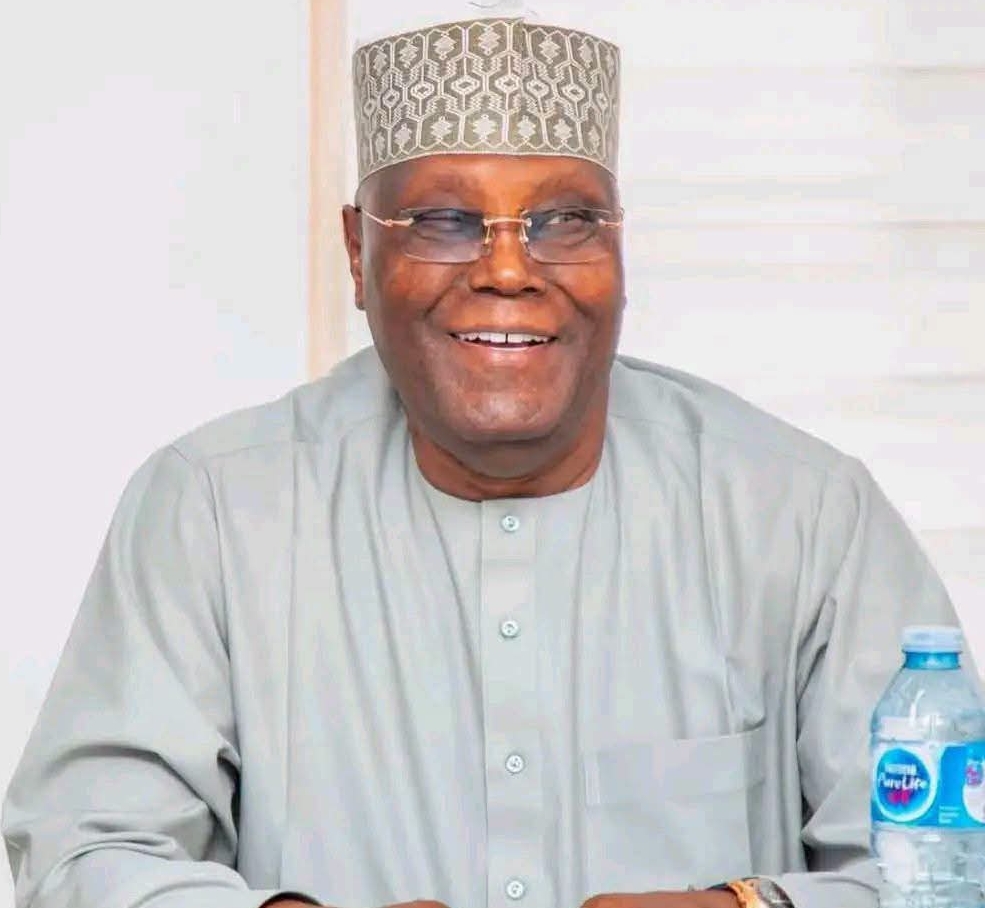
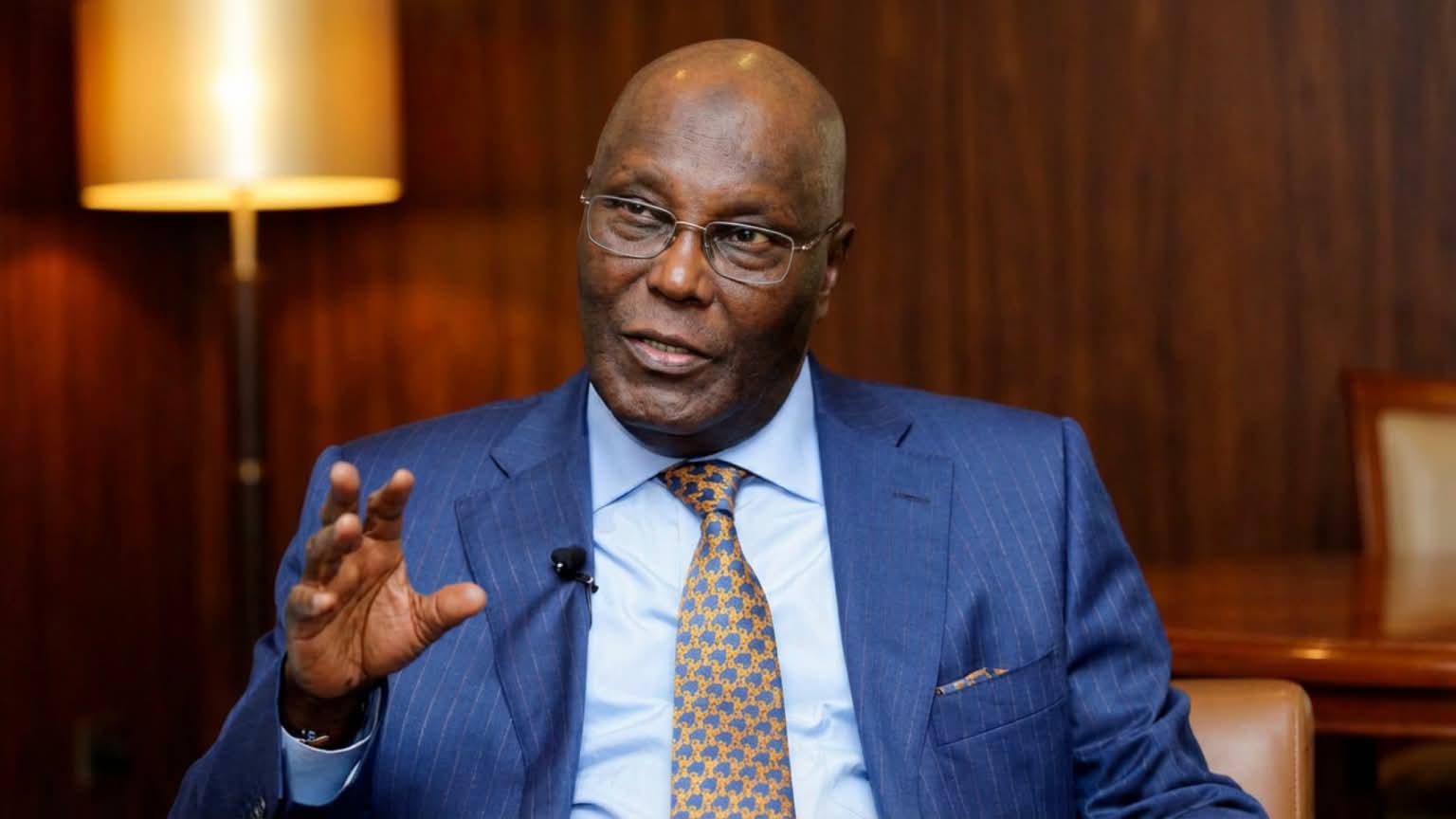
Former Vice President and African Democratic Congress (ADC) presidential candidate, Atiku Abubakar, has unveiled a proposed petroleum subsidy framework that would shift government support from imported fuel to domestic crude refining, with strict fiscal limits, independent audits and measures to ensure consumers benefit from the intervention.
The proposal, contained in the Atiku Economic Recovery Plan (AERP) 2027 and announced in a statement issued by his Senior Special Assistant on Public Communication, Phrank Shaibu, is aimed at reducing energy costs while encouraging greater utilisation of Nigerian refineries.
Atiku said his proposal was not a return to the former import-substitution subsidy regime, but a targeted production subsidy under which government support would follow crude processed by qualifying Nigerian refineries.
“My proposal is not to resurrect the old subsidy regime. We will move subsidy from importation to production, from middlemen to Nigerian refineries, and from unverifiable claims to verifiable barrels,” he said.
Under the proposed framework, qualifying public and private refineries would receive crude oil at a preferential price, subject to conditions relating to production, efficiency, transparency and domestic supply.
Atiku acknowledged that selling crude below its market-equivalent value would impose an opportunity cost on the Federation and said that cost would be explicitly captured in the government's fiscal framework.
“The cost will be known. The ceiling will be known. The beneficiaries will be known. And, most importantly, the benefit delivered to Nigerians will be measurable,” he said.
Subsidised crude must benefit consumers
The former vice president said refineries receiving preferentially priced crude would be required to demonstrate that the benefit was passed on to Nigerian consumers.
According to him, no refinery would qualify for subsidised crude without independently verified evidence of petroleum products being supplied to the domestic market under a transparent pricing formula that reflects the value of the crude concession.
The proposed system would track crude allocation, refinery intake, production yields, inventories and domestic deliveries in order to establish a verifiable chain from the allocation of crude to the final product supplied to consumers.
Atiku said the system would be designed to eliminate fictitious imports, unverifiable claims and other practices that could expose the government to uncontrolled liabilities.
“If you receive subsidised Nigerian crude, you must refine it in Nigeria, supply the agreed products to Nigerians and pass the benefit to Nigerians. Otherwise, you do not qualify,” he said.
Plan targets diversion and political favouritism
Atiku said participation would be open to all public and private refineries that meet predetermined conditions, with allocations based on independently verified capacity, efficiency, domestic supply and regulatory compliance.
He said the framework would also include safeguards against arbitrage and diversion, preventing subsidised crude or products from being redirected to more profitable foreign markets while Nigerian consumers bear the fiscal cost.
Refineries found to have diverted subsidised crude or products, manipulated production records, breached domestic-supply requirements or failed to transfer the prescribed benefit to consumers would lose eligibility and be required to refund the subsidy benefit, in addition to facing applicable regulatory and legal sanctions.
“Nigeria will not subsidise anybody's private profit. Public support must produce a measurable public benefit,” Atiku said.
AERP proposes annual subsidy ceiling
The ADC presidential candidate said the proposed production subsidy would operate within a predetermined annual fiscal ceiling approved through the federal budget.
He said the arrangement was intended to prevent the emergence of open-ended subsidy liabilities and ensure that the National Assembly and the public knew the maximum financial exposure of the government.
“No refinery gets unlimited support. No marketer brings government a surprise bill. No agency manufactures an under-recovery after the transaction,” he said.
Atiku said any additional oil revenue above the budget benchmark could only be deployed within the established fiscal ceiling and after the necessary legal appropriation.
He also said the framework would disclose the opportunity cost of the intervention and its implications for revenues accruing to the federal, state and local governments.
Atiku proposes gradual end to subsidy
The former vice president said the proposed subsidy would not be permanent and would contain sunset and periodic review provisions.
According to him, government support per barrel would gradually decline as domestic refining capacity expands, refinery utilisation improves, competition increases and production costs fall.

“Our objective is not permanent subsidy. It is to use temporary and disciplined support to build a refining industry strong enough eventually not to need subsidy,” he said.
Atiku said the performance of the programme would be assessed against refinery output, domestic fuel prices, employment, investment and the benefits delivered to consumers.
He argued that lower energy and transportation costs would have wider economic effects by reducing the cost of moving people and agricultural produce, supporting manufacturers and traders, and helping to moderate inflation.
“The ultimate objective is not merely cheaper petrol. It is cheaper transportation, cheaper food, stronger businesses, more Nigerian jobs and greater purchasing power,” he said.
Atiku questions Tinubu's subsidy removal
Atiku also criticised President Bola Ahmed Tinubu's decision to remove the petrol subsidy shortly after assuming office in May 2023.
He argued that while the government announced the end of the subsidy, subsequent petroleum-related expenses recorded in government accounts raised questions about whether subsidy-like costs continued to be borne by the public.
According to Atiku, the Nigerian National Petroleum Company Limited (NNPCL) recorded approximately ₦4.84 trillion in Energy Security Expenses in 2023 and ₦7.13 trillion in 2024 in its audited financial statements.
He said the figures required a detailed explanation of their economic substance, including the extent to which they represented under-recoveries, pricing differentials or other petroleum supply-related costs.
“If government continued absorbing differences between the economic cost of petroleum products and what was recovered from the market, then Nigerians are entitled to ask how that differs economically from the subsidy they were told had disappeared,” he said.
Atiku maintained that Nigerians should not be expected to pay market-level fuel prices while Federation resources are simultaneously used to absorb petroleum-related costs that have not been sufficiently explained.
Atiku raises questions over ₦30 trillion
The ADC candidate also raised broader questions about the management and reconciliation of Federation revenues.
He claimed that his team had identified approximately ₦30 trillion across published Federation Account figures involving revenues, deductions, savings, transfers and related funds that, in his view, require detailed reconciliation.
Atiku, however, stressed that he was not alleging that the entire ₦30 trillion represented fuel subsidy or that the money had been stolen.
“We are not saying ₦30 trillion is fuel subsidy or that ₦30 trillion has been proven stolen,” he said.
“We are saying that approximately ₦30 trillion reflected across Federation revenues, deductions, savings, transfers and related classifications requires a complete, month-by-month public reconciliation.”
He called on the federal government to publish details of deductions, transfers, beneficiaries, balances and the legal authority for the transactions.
Promises review of past subsidy transactions
Atiku further promised that previous subsidy transactions would be subjected to lawful scrutiny if his proposed administration comes to power.
He said anyone found, through due process, to have fraudulently obtained or diverted public subsidy funds would face prosecution and possible recovery of assets.
“Anyone who stole subsidy money should prepare to return it. But we will not replace one opaque system with another,” he said.
Atiku said the central difference between his proposal and the current approach was that his administration would establish the fiscal framework before implementing the intervention.
He summarised the AERP approach as one that would target, cap, budget, track and audit subsidy payments, while ensuring that Nigerian consumers receive measurable benefits and that government support declines as domestic refining becomes commercially sustainable.
The proposal is part of Atiku's broader economic agenda ahead of the 2027 general elections.
.jpg)
Comments (0)
No comments yet. Be the first to share your thoughts!