


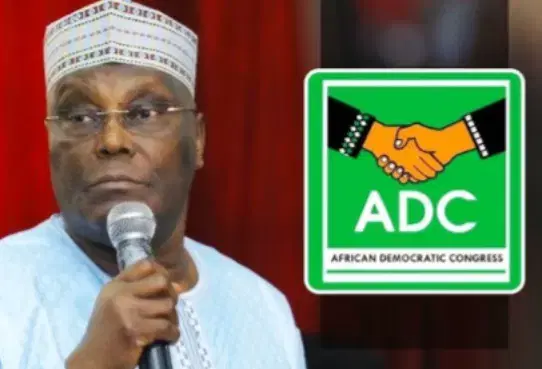
The African Democratic Congress (ADC) has revealed why its presidential candidate, Atiku Abubakar, stayed away from the signing of the National Peace Accord, saying the party’s absence was a deliberate protest against what it considers the growing ineffectiveness of the peace process.
The party said it had become increasingly difficult to see the value of repeatedly bringing presidential candidates together to sign peace agreements when political violence, intimidation and inflammatory statements continue to occur during elections.
Speaking on Friday during an interview on Channels Television’s Sunrise Daily, ADC National Publicity Secretary, Bolaji Abdullahi, said the party deliberately chose not to participate in the ceremony because previous peace accords had, in its view, failed to produce meaningful consequences when politicians or their supporters crossed the line.
According to Abdullahi, the ADC’s decision was not a rejection of peaceful elections but a demand for the National Peace Committee to move beyond ceremonies and take a more active role in preventing and responding to electoral violence.
“We’ve been signing this thing year in, year out; every election cycle, we sign in support of this commitment. Things still happen; people still get killed, harassed, like in the case of Osun, but we don’t hear the Peace Committee say anything,” he said.
For the ADC, that silence has raised serious questions about the purpose of the accord and whether political actors are actually being held accountable for their words and actions.
Abdullahi pointed specifically to the violence and controversy surrounding the recent Osun State governorship election.
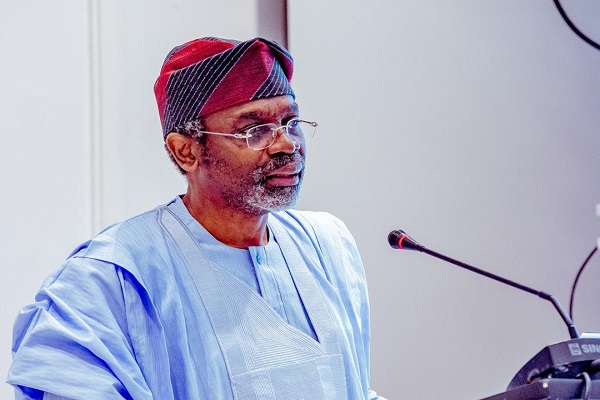
He alleged that the National Peace Committee failed to publicly respond to a statement attributed to Senator Francis Fadahunsi which, according to him, could encourage violence during the electoral process.
“When Senator Fadahunsi said that they should go out and kill people, we didn’t hear the Peace Committee say anything. So, what is the point? So, it’s our (ADC) way of saying no,” Abdullahi said.
The ADC spokesman argued that simply gathering political leaders in a room, asking them to sign an agreement and taking photographs was no longer enough.
He said the peace process must have a mechanism capable of confronting politicians when their conduct threatens the credibility and safety of elections.

“If we want to be part of this, if you want to be taking us seriously, then you need to up your game,” he said.
The party also questioned whether the peace initiative applies equally to all political actors, irrespective of their position or influence.
Abdullahi referred to a statement attributed to President Bola Tinubu during the Osun election period, arguing that the National Peace Committee should have intervened if it believed the comment could contribute to an atmosphere of political tension.
“When the President said all is fair in politics, he set the narrative for the violence that followed in the Osun election. We didn’t hear the Peace Committee say, ‘No, Mr President, that is not a good thing to say,’” he said.
The comments underscore the ADC’s broader argument that Nigeria’s electoral peace initiatives must evolve from symbolic agreements into a system where political leaders can be publicly challenged and held accountable for conduct capable of triggering violence.
Abdullahi stressed that the ADC was not against the idea of peaceful elections and did not oppose the objectives of the National Peace Accord.
Rather, he said, the party wants the process to have “teeth” — with clear consequences for those who violate the commitments they make.
“We are saying you need to do more. It’s not just to gather us for the ceremony of signing. If we commit to something, you have to be able to ask people to abide by it,” he said.
The boycott by Atiku, therefore, appears to be more than a simple absence from an electoral ceremony. For the ADC, it is a political statement aimed at forcing the National Peace Committee to confront what the party sees as a recurring problem in Nigeria’s elections: peace agreements are signed before the polls, but accountability often appears to disappear once tensions rise.
With the 2027 general elections already attracting intense political manoeuvring, the ADC’s position could put renewed pressure on the National Peace Committee to demonstrate that its role extends beyond securing signatures and issuing appeals for calm — and that no political heavyweight, regardless of office or party, is above scrutiny when electoral peace is at stake.

Comments (0)
No comments yet. Be the first to share your thoughts!