


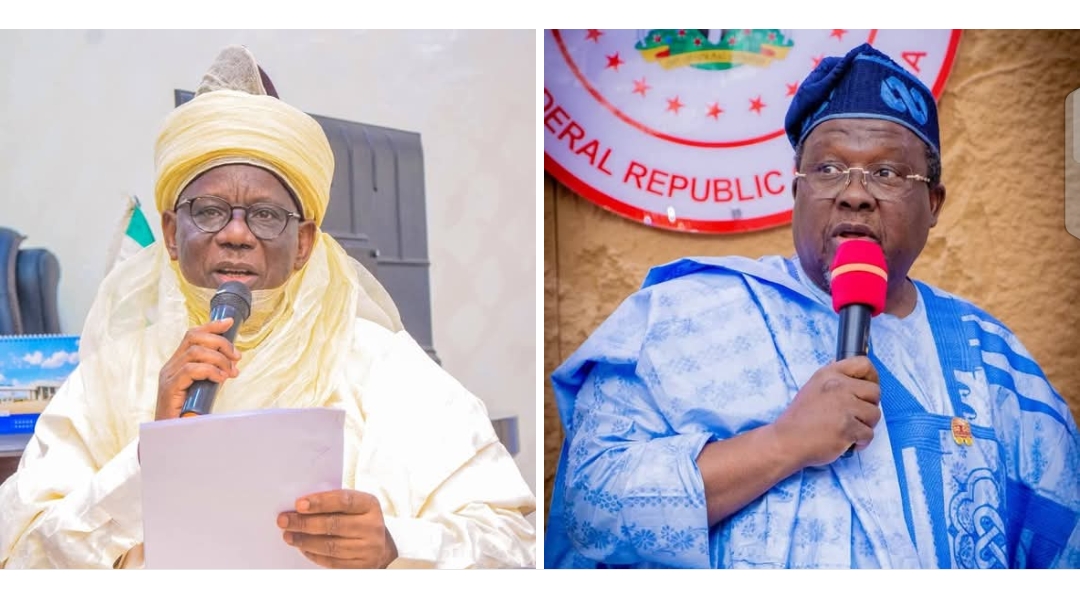
There is an old Hausa saying, 'nagari na kowa, mugu na kansa' - A good person belongs to everyone, while a bad person belongs only to himself. This saying succinctly captures the place of character in the Hausa moral imagination. A man's worth is not ultimately measured by the office he occupies, the wealth he commands, or the company he keeps, but by the goodness he leaves in the lives of those he encounters. It is in this enduring sense that I have come to regard Hon. Ibrahim Kabir Masari as a true 'mutumin kirki' - a good man.
I was recently approached by a national newspaper to say what I know about Hon. Ibrahim Kabir Masari, Special Adviser to the President on Political Matters. I gave a brief tribute, but I subsequently felt that more should be said about a man I have known closely for more than thirty years. What follows is therefore not an assessment based merely on his present office or public prominence, but the reflection of one who has known him across different seasons of his life.
The expression 'mutumin kirki' was examined with particular insight by the distinguished scholar Anthony H. M. Kirk-Greene in his Hans Wolff Memorial Lecture of 1973, subsequently published as a monograph in 1974. For Kirk-Greene, the concept goes far beyond the ordinary compliment of calling someone a good person. It is a moral assessment of the whole man, reflected in his conduct, relationships, judgement, restraint and inner character. In the Hausa understanding, goodness is something that must be lived before it can be attributed.
It is against this deeper measure that I have known Ibrahim Kabir Masari. Over more than three decades, I have observed in him a striking consistency between what he says and what he does. He values gaskiya - truthfulness and sincerity, and in my experience does not readily abandon the truth because it may be inconvenient. His sense of amana - trustworthiness and keeping faith, is equally evident in the seriousness with which he approaches relationships and responsibilities entrusted to him.
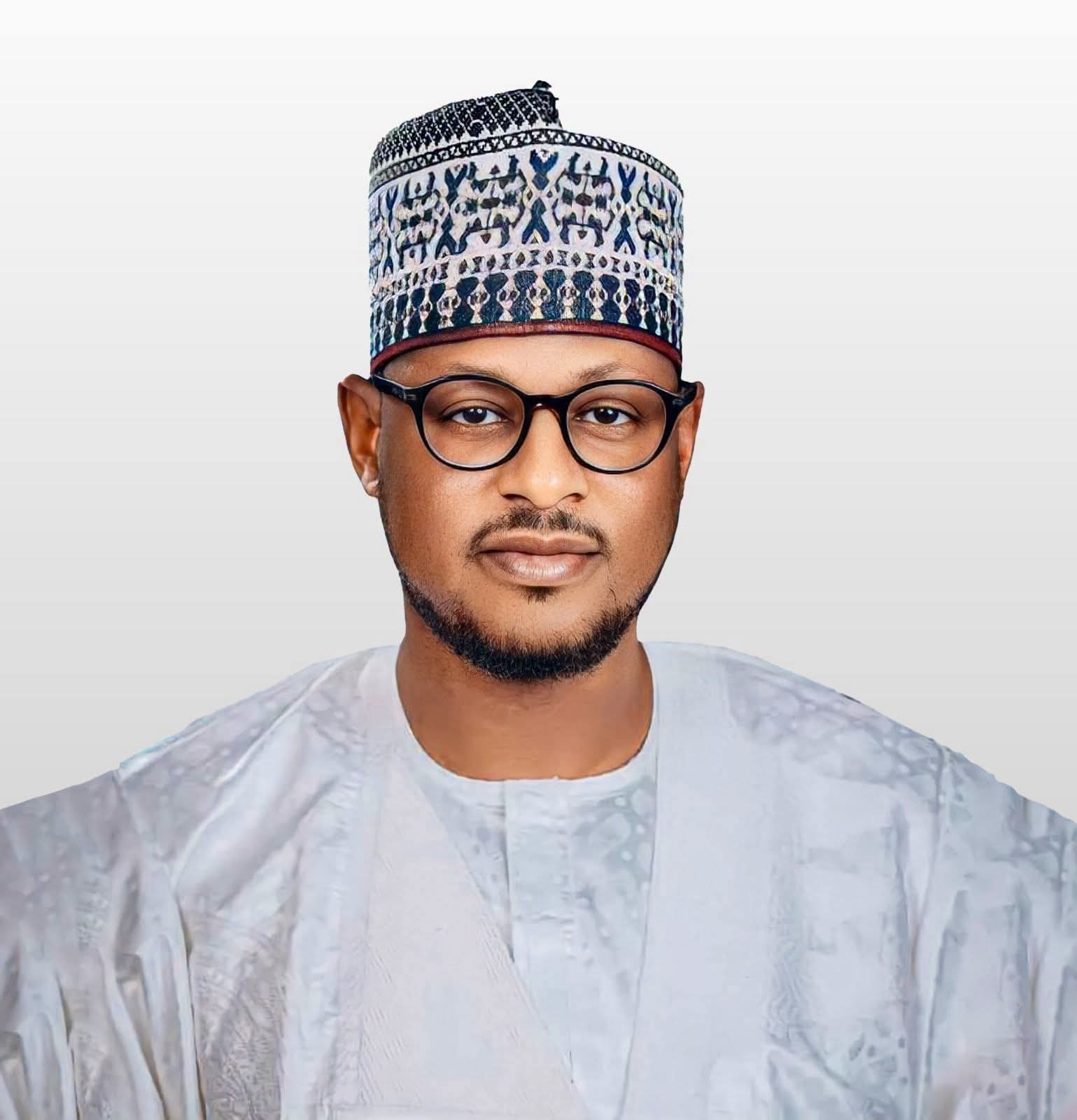
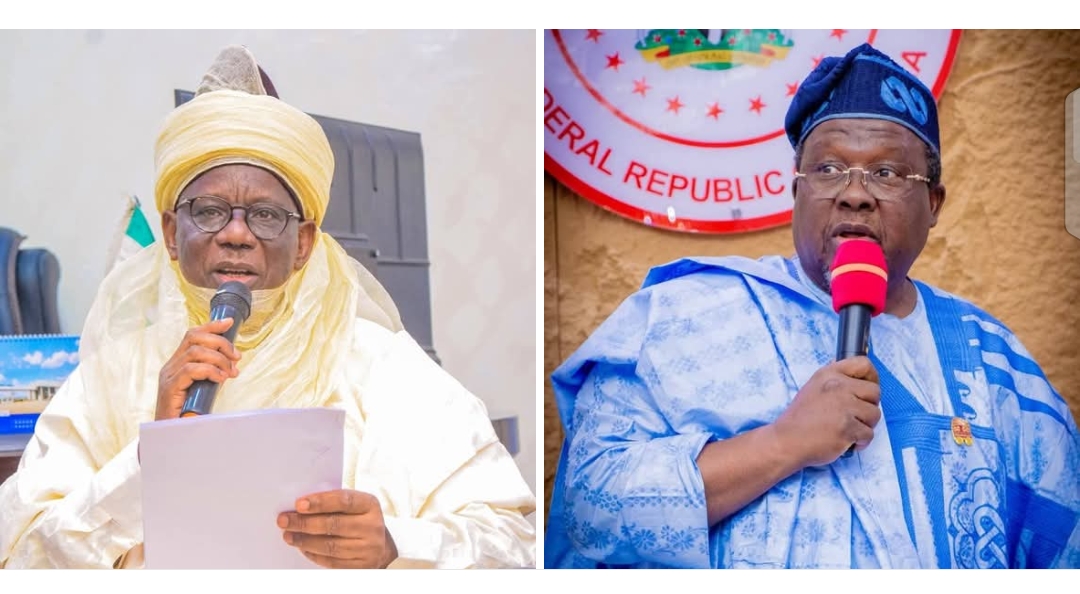
That character is especially visible in his dealings with people and institutions. I have watched him demonstrate ladabi - courtesy and respect, towards constituted authority and, in particular, towards the traditional institutions of Katsina and the wider country. In the presence of the Governor of Katsina State, the Emir of Katsina, the Emir of Daura and other traditional rulers, his conduct reflects genuine respect rather than mere political etiquette. There is in him an understanding that authority carries its own dignity and that respect for institutions is itself a mark of character.
The more revealing portrait, however, is often found away from formal occasions. Masari relates with ease to relatives and kinsmen, ordinary citizens and local politicians, just as he does to governors, legislators, senior officials and national political figures. He does not appear to need an occasion to establish his importance. There is a natural ease in his interaction with people, and that ability to sustain relationships across different levels of society has been one of the notable features of his public life.
He also possesses a discerning eye for talent and potential. He has, on occasions, recognised capable individuals and helped open doors for them; the emergence of people such as Engr. Muttaqa Rabe Darma is one example that comes to mind. To me, this reflects an important aspect of political wisdom: the ability not merely to recognise who is prominent today, but to discern who may serve meaningfully tomorrow.
His karamci - generosity and hospitality, is another quality I have encountered repeatedly. I have seen it expressed not simply in personal generosity but in his willingness to support people, institutions and causes he considers worthy. His interventions in education, including his major philanthropic donation to establish an Islamic University in a desperately needed environment, are among the more visible expressions of a disposition that, in my experience, long predates his present political prominence. Such an act was not isolated, as he has done many worthy acts before and since.
Regrettably, instead of commendation, selective irritation was expressed by political opponents. As could only be expected, the irritation did not stem from the generosity itself, but from envy and petty jealousies. Critics chose to align the gesture to the political and socio-economic context of his wealth, wrongly inferring that it was accumulated through exploitative practices or political favouritism, and viewing the generosity not as pure altruism but as a calculated effort to buy goodwill. I make bold to say that none of these applies to Hon. Ibrahim Kabir Masari.
Public life, naturally, brings its own complexities. Political relationships can be affected by different interests, expectations and constituencies, and Katsina has not been immune to such pressures. There have been perceptions of differences between political interests associated with Hon. Masari and those of Governor Dikko Umar Radda.

I have had the privilege of speaking to both Gov. Radda and Hon. Masari on these reported differences, and each has assured me that they are friends and have been political associates in the same camp for so long that any talk of a serious political difference between them is simply mischievous wishful thinking.
People may say that such declarations of 'no problem' are themselves politics. To me, however, the manner in which Hon. Masari accepts and defers to Gov. Radda as the Jagoran APC in Katsina State, and the manner in which Gov. Radda accords Hon. Masari the respect and courtesies due to a national leader of the APC and a very high political office holder, is a clear manifestation of their mutual respect.
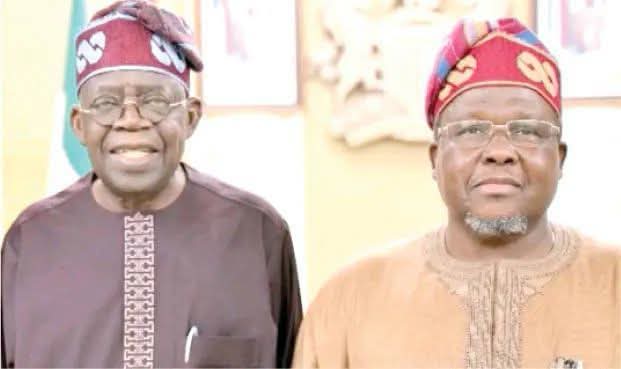
Indeed, local opponents try very hard to create the existence of an imaginary bad blood and to attribute political incidents in Katsina either to the state leadership or to Masari's associates. All these are political machinations, because no such bad blood exists. What both leaders and their associates have before them is one common goal: to ensure that President Bola Ahmed Tinubu, Gov. Radda and all APC candidates triumph massively in the next general elections in Katsina and across Nigeria.
That restraint connects naturally with another quality I associate with Masari: hakuri - patience and forbearance. Public life brings criticism, disagreement and misunderstanding, but he has often preferred restraint to confrontation and patience to unnecessary public quarrels. In an age when public life can reward noise, such composure is easily overlooked; nevertheless, it remains a quiet mark of character.
His political influence has likewise been expressed more through relationships than spectacle. He has cultivated connections that have enabled him to bring people together, open doors and create opportunities for individuals from Katsina and other parts of Northern Nigeria. In the area of bringing Northern people closer to the President in terms of political patronage - appointments, career jobs, and business opportunities - I do not think anyone surpasses him. Whatever one's political perspective, the capacity to build and sustain relationships across different circles of influence is an important part of his public persona.
All these qualities bring me back to 'mutumin kirki', because the expression asks a question deeper than political success: what kind of man is he when the office is put aside? After more than thirty years of knowing Hon. Ibrahim Kabir Masari, I have seen a man who values relationships, respects elders and institutions, gives generously where he can, recognises ability, exercises patience under pressure, and places considerable importance on trust.
Today, he occupies an important position in the political life of Nigeria as the President's Special Adviser on Political Matters. The office brings visibility, influence and responsibility, but offices are transient. Administrations change and appointments end. What endures is the character of the person who occupied the office and the memories he leaves in the lives of those with whom he has travelled the journey.
That is why I return to the old Hausa wisdom: 'nagari na kowa' - a good person belongs to everyone. For me, Ibrahim Kabir Masari is not defined primarily by his proximity to power or the prominence of his office. He is better understood through the quieter things: the relationships he sustains, the trust he carries, the people he helps, the institutions he respects, the talents he recognises and the restraint with which he conducts himself.
In the final reckoning, titles may tell us where a man has stood, but character tells us who he has been. Offices may place a man in history, but the lives he touches determine how he is remembered. After three decades of watching Ibrahim Kabir Masari move through the changing landscape of public life, I can therefore say, with the confidence of personal knowledge rather than political convenience, that the description that comes closest to the man I have known is one drawn from the wisdom of our people: 'mutumin kirki' - a good man.
Sen. Ibrahim M. Ida, Ph.D., CON
Wazirin Katsina
Comments (0)
No comments yet. Be the first to share your thoughts!