


BY TAIBAT UMMI YAKUBU
For years, the United States was viewed by many persecuted LGBT individuals as a place of refuge , a country where those fleeing violence, discrimination and threats to their lives could seek protection. But a new investigation has revealed a troubling reality: dozens of migrants who were previously shielded from persecution because of their sexual orientation have instead found themselves deported to countries where being openly LGBT can lead to imprisonment, abuse or even death.
At the center of the unfolding controversy is Abdou Latifou, a man from Togo whose ordeal reflects the experiences of many others caught in the crosshairs of America’s evolving immigration policies. Latifou fled his homeland after a violent mob attacked him and threatened to kill him when he was seen expressing affection toward another man. Hoping to find safety, he made his way to the United States. Instead, years later, he was placed on a deportation flight and sent to Sierra Leone ; a country where same-sex relationships remain criminalised and where gay men can face life imprisonment under existing laws.
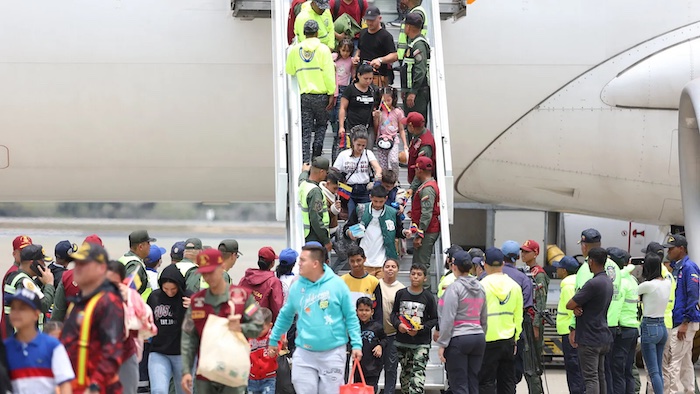
His deportation was part of a broader policy that has increasingly seen migrants removed not only to their countries of origin but also to third countries with which they have little or no connection. Investigations into the policy uncovered at least 40 cases involving LGBT migrants from nations including Ghana, Togo, Iraq, Jamaica and Russia. Many had already convinced US authorities that returning home would place them in danger because of their sexual orientation or gender identity.
The outcomes have been devastating. Some deportees remain stranded in unfamiliar countries where they face legal risks and social hostility. Others were eventually forced back to the nations they originally fled, despite earlier findings that returning them could expose them to persecution. Several have disappeared into hiding, moving from one country to another in search of safety, while the whereabouts of at least one deportee remain unknown.
Human rights advocates and former immigration officials have sharply criticised the practice, arguing that it undermines the very protections that asylum and refugee systems were designed to provide. Critics say sending vulnerable individuals to countries where they may again face discrimination, imprisonment or violence contradicts previous decisions that recognised them as people in need of protection.
US immigration authorities, however, defend the policy, insisting that enforcement actions are not based on sexual orientation and describing third-country removals as an important tool for maintaining public safety. Since Donald Trump’s return to the White House, deportations to countries other than migrants’ homelands have increased significantly, with tens of thousands of people reportedly removed under the programme. Hundreds of those deportations have involved African countries.
The legal battle over the policy has also intensified. Earlier this year, a federal judge questioned the logic of expecting migrants to seek protection from every possible country to which they might one day be deported. However, a recent decision by the US Supreme Court temporarily cleared the way for the administration to continue implementing the programme while the issue proceeds through the courts.

Many of the destinations involved in the documented cases are countries where same-sex relationships remain criminal offences. Others have been criticised internationally for abuses against LGBT individuals, including forced conversion practices, violence and sexual abuse. Rights groups argue that such conditions make these countries unsafe alternatives for people who have already been recognised as vulnerable.
For Latifou, the consequences were immediate. Upon arrival in Sierra Leone, he was reportedly held under police supervision before eventually being placed on another flight back to Togo. Returning with little more than a handful of clothes and a small amount of money, he quickly learned that the threats against him had not disappeared. After receiving warnings from relatives that his life was still at risk, he fled once again, crossing into neighbouring countries before eventually settling in Ivory Coast, where he now works as a security guard.
Even there, safety remains fragile. Though same-sex relationships are not criminalised in Ivory Coast, Latifou says he avoids contact with fellow Togolese migrants out of fear that someone might recognise him and expose his identity.
His story is far from unique.
A bisexual woman from Ghana who was deported to Cameroon spent months struggling to survive in a country whose language she did not speak before relocating to northern Nigeria to stay with relatives. Yet she says fear continues to define her daily life. Another Ghanaian man, deported first to Sierra Leone and later returned to Ghana, now reportedly survives while hiding in forests across neighbouring countries, sleeping outdoors and relying on small amounts of money sent by family members.
A Mauritanian migrant who had spent more than a decade living in the United States described being deported to Eswatini, a country he had never heard of before arriving there. After weeks in detention under difficult conditions, he eventually agreed to return to Mauritania before fleeing again into Senegal. Now living in a remote community, he spends much of his time searching for information about countries that might offer him a chance to rebuild his life.
For many of those affected, the issue extends beyond immigration policy. It has become a struggle for survival. Having fled persecution once, they now find themselves moving from country to country, uncertain where they will be safe or whether they will ever be able to live openly without fear.
As legal challenges continue and debate over the policy intensifies, the lives of dozens of LGBT migrants remain suspended between borders, caught in a cycle of displacement that has left many questioning whether the protection they were once promised ever truly existed.
“My life just got turned upside down,” one deportee said ,a sentiment that echoes across the experiences of many others still searching for a place they can call safe.


Comments (0)
No comments yet. Be the first to share your thoughts!