


Zaharaddeen Ishaq Abubakar | Katsina Times
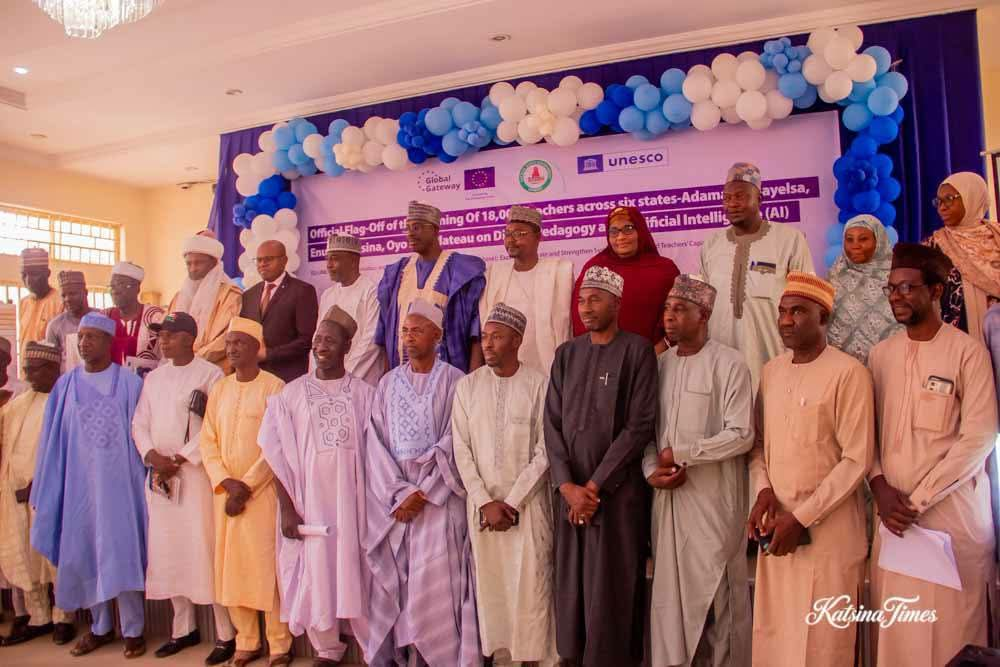
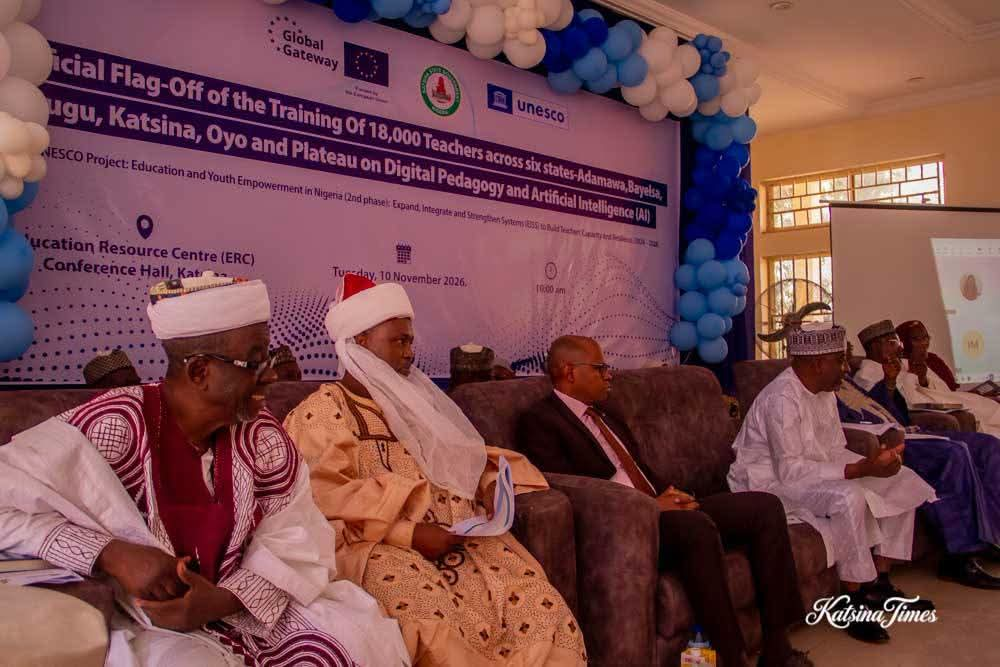
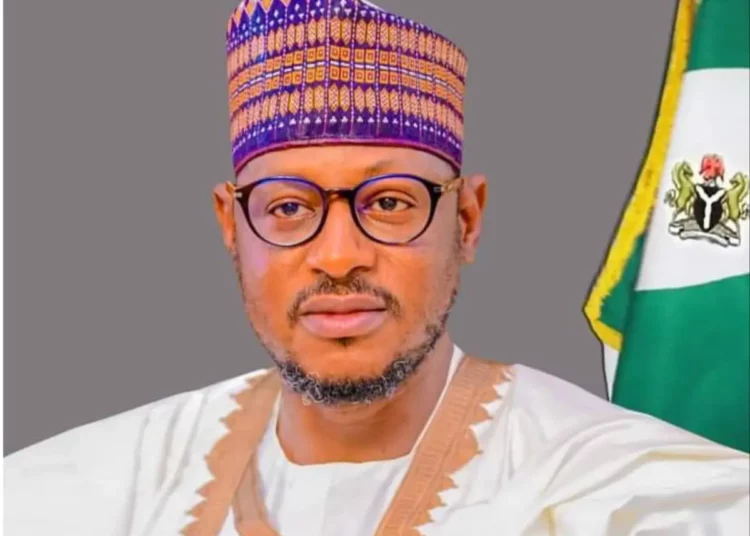
Governor Malam Dikko Umar Radda of Katsina State has officially flagged off a European Union (EU) and United Nations Educational, Scientific and Cultural Organisation (UNESCO) training programme aimed at equipping 18,000 teachers with digital pedagogy and artificial intelligence (AI) skills across six Nigerian states.
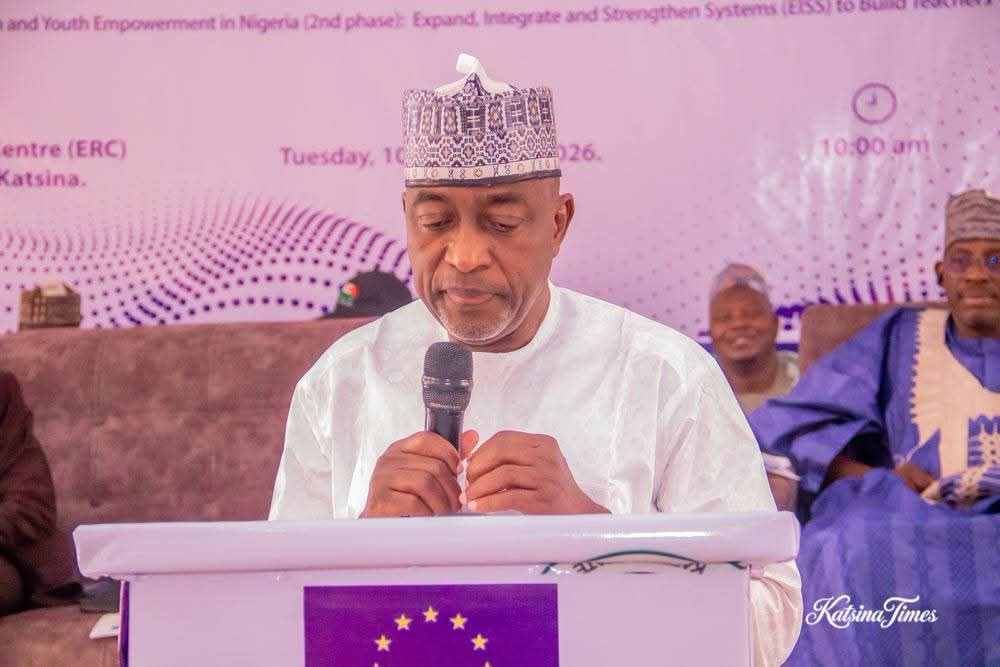
The national flag-off ceremony, held on Tuesday 10 November 2026, at the Education Resource Centre Hall, Katsina, was organised under the second phase of the EU-funded Education and Youth Empowerment in Nigeria project, known as Expand, Integrate and Strengthen Systems (EISS) to Build Teachers’ Capacity and Resilience.
The programme, which runs from 2024 to 2028, is designed to strengthen teachers' professional competencies, improve learning outcomes and promote inclusive and resilient education systems through digital literacy, modern teaching methods and the responsible application of artificial intelligence.
Speaking on behalf of the governor, the Commissioner for Basic and Secondary Education, Hon. Yusuf Sulaiman Jibia, reaffirmed the state government's commitment to repositioning the education sector through increased investment, improved school infrastructure, teacher recruitment and professional development.
Jibia said the Radda administration had prioritised education since assuming office in 2023, describing it as a critical foundation for sustainable development.
He highlighted several interventions undertaken by the government, including the construction and rehabilitation of primary and secondary schools, provision of classrooms, laboratories, water and sanitation facilities, as well as the distribution of teaching and learning materials.
The commissioner disclosed that the state government had provided more than N600 million for the procurement of teaching and learning materials, which had been supplied to the ministry for distribution to schools and pupils.
On teacher recruitment and welfare, Jibia outlined the government's efforts to increase the number of teachers in the state's basic and secondary education institutions.
He also announced plans to introduce a rural teachers' allowance to motivate teachers serving in remote communities.
According to him, the government has completed the procurement of subsidised electric motorcycles for teachers in rural areas, with distribution to beneficiaries expected to commence in January.
The commissioner further highlighted the administration's investment in teachers' professional development, including training programmes covering classroom management, inclusive education and modern teaching methodologies.
He said the government had also established teacher development centres and was working with development partners to improve the professional capacity of teachers and school leaders.
On digital education, Jibia identified the distribution of vision tablets to teachers, establishment of ICT and computer-based training facilities, and introduction of technology-driven teaching methods, including robotics and artificial intelligence, as part of the state's education transformation efforts.
He also highlighted government interventions in scholarship programmes, payment of public examination fees, girl-child education and support for disadvantaged children and learners with special needs.
The commissioner noted that the state government had strengthened partnerships with organisations, including UNICEF, UNESCO, the British Council and the World Bank, to improve educational planning, teacher development, school management and learning outcomes.

Earlier, UNESCO Representative to Nigeria, Professor Isaías Barreto da Rosa, described the initiative as an important investment in the future of education, stressing that the quality of an education system could not exceed the quality of its teachers.
He expressed appreciation to the European Union for its financial support and continued commitment to strengthening education in Nigeria.
Da Rosa also commended the Katsina State Government for hosting the national ceremony and demonstrating ownership of the project through the establishment of a State Project Steering Committee, commitment to implementing the revised National Teacher Policy and provision of a dedicated budget line for the initiative.
He emphasised that artificial intelligence should complement rather than replace teachers, noting that technology could support lesson preparation, development of learning materials and assessment of students but could not replace the human qualities of empathy, guidance and professional judgement.
The UNESCO representative called for a human-centred, ethical and inclusive approach to integrating artificial intelligence into education.
He also stressed the importance of ensuring that digital transformation did not widen the gap between rural and urban schools, urging stakeholders to make technology accessible to teachers and learners in underserved communities.
In his goodwill message, European Union Ambassador to Nigeria, Gautier Mignot, said the programme was inspired by the EU Regional Teacher Strategy Project for Africa and supported under the Global Gateway Strategy.
He explained that the initiative aligned with Nigeria's education reform agenda and the African Union's Agenda 2063, adding that strengthening education and skills was essential for resilience, innovation and inclusive growth.
Mignot commended UNESCO for its work under the EISS project, particularly its assessment of teachers' digital competencies, development of training modules and engagement with education institutions at national and state levels.
He also highlighted the EU's partnership with the Federal Government of Nigeria on the BRIDGE project, which seeks to expand the country's fibre-optic infrastructure through the rollout of 90,000 kilometres of optical fibre.
The Ambassador said the teacher training initiative would also build on existing government-supported digital learning platforms, including Ignite, Inspire and the Nigerian Learning Passport.
He urged participating teachers to take full advantage of the programme and apply the knowledge acquired to improve classroom teaching and students' learning experiences.
The EISS initiative is designed to benefit 18,000 teachers across six states: Adamawa, Bayelsa, Enugu, Katsina, Oyo and Plateau, according to the project's official concept note.
Its objectives include strengthening teacher education policies, improving the quality of teacher training, expanding access to continuous professional development and promoting digital literacy and inclusive teaching practices.
The initiative is also expected to contribute to the achievement of Sustainable Development Goal 4, which focuses on inclusive and equitable quality education and lifelong learning opportunities for all.
The ceremony brought together representatives of the European Union, UNESCO, participating, education stakeholders and development partners.
Other activities included presentations on project implementation, demonstrations of digital pedagogy and the official flag-off of the training programme by Governor Radda.

Comments (0)
No comments yet. Be the first to share your thoughts!