


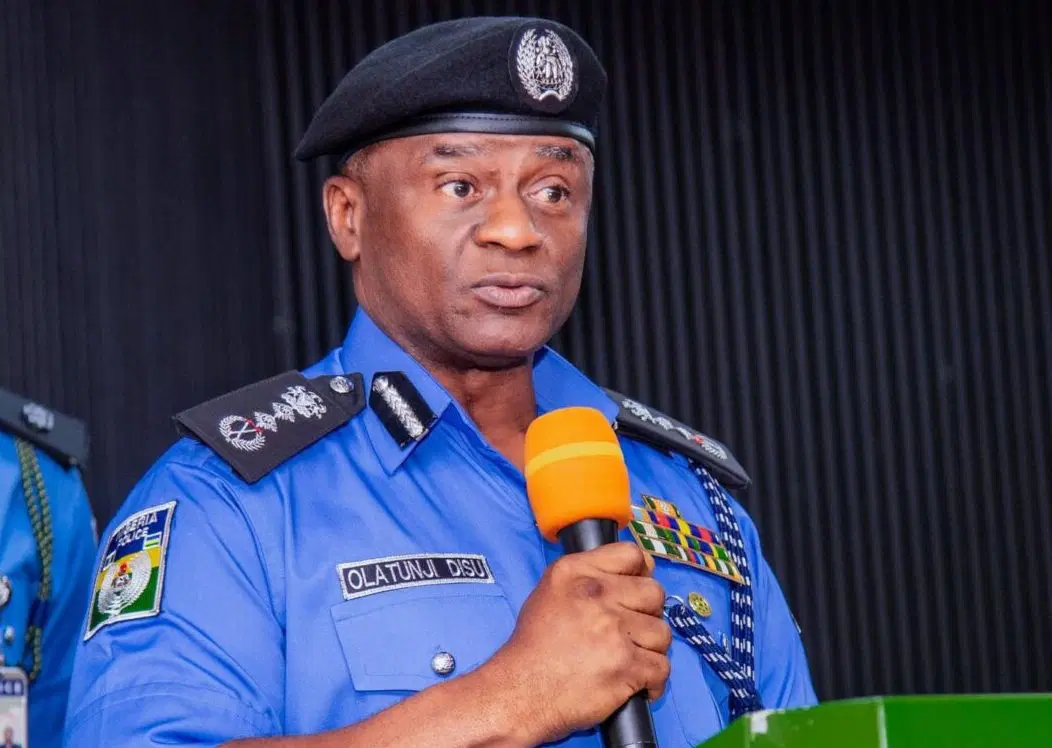
The revelation by Inspector-General of Police (IGP) Olatunji Disu that Nigeria’s proposed State Police framework was developed after studying policing systems in India, the United States and Pakistan is undoubtedly reassuring. It suggests that policymakers are not rushing into one of the country's most consequential security reforms without examining how similar structures operate elsewhere.
Yet, beyond the comparative studies and framework documents lies a more pressing question: can a system that works in India, America or Pakistan function effectively in Nigeria without creating new problems?
This is the question that should dominate the national conversation.
There is no doubt that Nigeria's current centralized policing structure faces enormous challenges. From banditry and kidnapping to communal conflicts and insurgency, security threats have become increasingly localised and complex. Many advocates of State Police argue that governors and local authorities are often closer to the people and better positioned to respond swiftly to security concerns within their jurisdictions.
Indeed, countries such as the United States and India operate decentralized policing systems that allow states considerable control over law enforcement. Supporters of State Police believe adopting a similar model could improve intelligence gathering, strengthen community policing and ensure quicker responses to emerging threats.
However, critics insist that the comparison may not be as straightforward as it appears.
The United States, India and Pakistan operate under political, legal and institutional environments that differ significantly from Nigeria's. While state-controlled policing may function relatively well in those countries, the success of such systems is supported by strong institutions, established checks and balances, and mechanisms designed to prevent abuse of power.
The concern in Nigeria is whether those safeguards are sufficiently developed.
Many Nigerians fear that State Police could become a tool in the hands of political office holders. Given the country's history of political rivalry, concerns have been raised that governors could use state-controlled police formations to intimidate opponents, influence elections or suppress dissenting voices.
These fears are not entirely unfounded. Even existing security structures have occasionally faced allegations of political interference. The prospect of placing policing powers directly under state governments therefore raises questions about accountability and oversight.

Another challenge is funding.
Policing is an expensive undertaking, requiring continuous investment in personnel, training, equipment, welfare and technology. While some states may possess the financial strength to sustain efficient police services, others already struggle to pay salaries and meet basic obligations. This raises concerns about whether a State Police system could deepen inequalities in security delivery across the federation.
There is also the issue of ethnic and religious diversity. Nigeria's complex social fabric differs markedly from many countries often cited as examples. In a nation where identity politics can sometimes shape public affairs, ensuring that State Police remain professional, impartial and inclusive would be critical to their success.
To his credit, IGP Disu disclosed that extensive consultations informed the framework and that retired Inspectors-General of Police contributed to refining the proposal. He also noted that governors' committees had completed their work and that the police framework has become a central document in ongoing deliberations.
These are encouraging signs.
Nevertheless, studying foreign models should only be the beginning—not the conclusion—of Nigeria's State Police debate. The real challenge is not whether India, America or Pakistan have State Police systems. The challenge is whether Nigeria can build a version that reflects its unique realities, addresses its peculiar security challenges and includes sufficient safeguards against abuse.
Ultimately, the success or failure of State Police in Nigeria will not depend on how closely it resembles foreign models. It will depend on the strength of the institutions that support it, the quality of oversight mechanisms put in place, and the political will to ensure that policing serves the public rather than powerful interests.
As the debate continues, Nigerians must ask not just whether State Police can improve security, but whether the country is truly prepared for the responsibilities and consequences that come with such a far-reaching reform. Only then can the nation determine whether State Police is the solution many hope for—or a risk it cannot afford to ignore.

Comments (0)
No comments yet. Be the first to share your thoughts!