


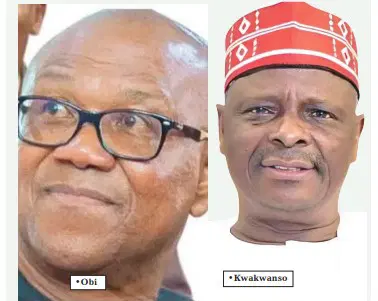
The fuel subsidy debate has returned to the centre of Nigeria’s 2027 political conversation, with Rabiu Musa Kwankwaso, vice-presidential candidate of the Nigeria Democratic Congress (NDC), saying an NDC government would introduce a new form of subsidy if elected.
Kwankwaso made the disclosure during an interview with Arise News on Tuesday, arguing that Nigerians should not be left to bear the full impact of high petrol prices.
He criticised President Bola Ahmed Tinubu’s decision to remove the petrol subsidy at the beginning of his administration, saying the policy was implemented too abruptly and without adequate measures to cushion its effects.
According to him, the consequences of the decision have contributed to the economic difficulties experienced by Nigerians.
Kwankwaso recalled that the major presidential contenders in the 2023 election had spoken about the need to reform or remove the subsidy regime, but argued that Tinubu’s immediate implementation of the policy created additional pressure on households and businesses.
He said the NDC would approach the issue differently if given the opportunity to form the next government.
“We are bringing subsidy in our own way,” Kwankwaso said, explaining that the party would seek to make petrol more affordable by expanding Nigeria’s refining capacity rather than simply returning to the previous subsidy arrangement.
He pointed to the development of privately owned refineries as evidence that Nigeria could increase domestic refining capacity and argued that government should also consider building refineries where necessary.
Kwankwaso said the proposed approach would involve a combination of public and private investment in refining, with the broader objective of increasing local petrol supply and reducing the pressure on consumers.

“We will do whatever it takes to put the price of oil down,” he said.
The former Kano State governor also questioned former Vice-President Atiku Abubakar’s position on privatising government-owned refineries, arguing that the proposal lacked sufficient clarity and appeared to have political considerations attached to it.
His comments come at a time when petrol prices and the broader cost of living remain major issues in Nigeria’s political debate. Recent increases in international crude prices have also fed into domestic fuel costs, with petrol prices in some parts of the country reaching around N1,400 to N1,500 per litre.
The NDC, which is fielding Peter Obi as its presidential candidate and Kwankwaso as his running mate for the 2027 election, has now placed fuel affordability among the issues it says it would address if elected.
Kwankwaso’s proposal, however, represents a departure from the previous subsidy model rather than a commitment to simply restore the system in its former form. His emphasis was on government intervention in refining and supply, with the stated aim of ensuring that Nigerians can obtain petrol at a more affordable price.
The comments are likely to keep fuel subsidy at the heart of the 2027 campaign, particularly as political parties seek to present different approaches to the consequences of subsidy removal and the future of Nigeria’s downstream petroleum sector.
For the NDC, the proposal now puts the party’s promised approach to petrol pricing under the spotlight as Nigerians weigh competing policy positions ahead of the 2027 presidential election.
Comments (0)
No comments yet. Be the first to share your thoughts!