


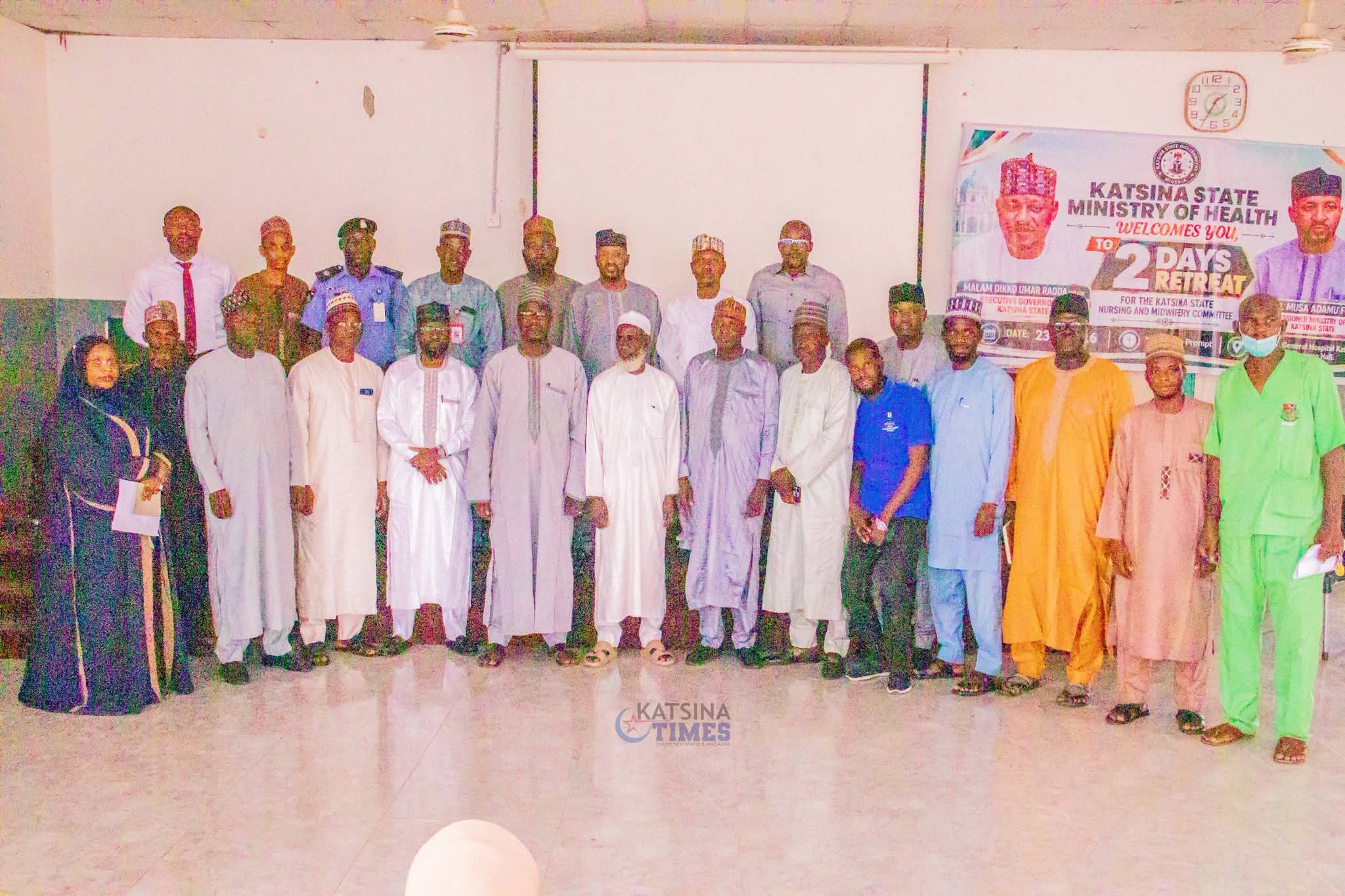
Katsina govt targets fully equipped primary healthcare centres across 361 wards
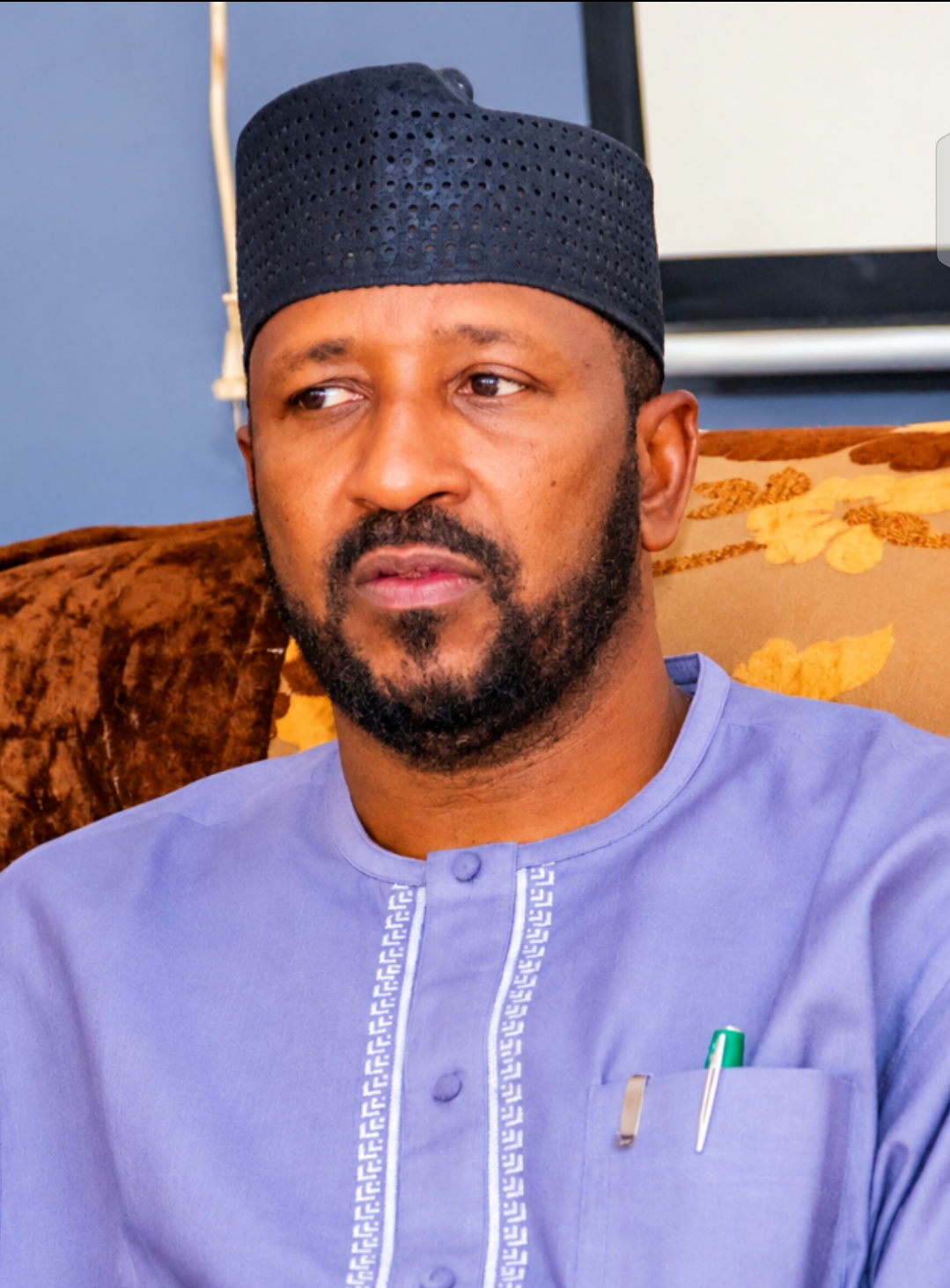
By Zaharaddeen Ishaq Abubakar | Katsina Times
The Katsina State Government has said 268 of the 361 wards in the state now have comprehensive primary healthcare centres as part of Governor Dikko Umar Radda’s efforts to strengthen healthcare delivery and improve access to medical services.
The state Commissioner for Health, Musa Adamu Funtua, disclosed this on Wednesday while delivering the keynote address at a two-day retreat organised for members of the Katsina State Nursing and Midwifery Committee at the General Hospital, Katsina.
Funtua said the development was part of the administration’s “Building Your Future” agenda, which he said places emphasis on human capital development, infrastructure, professional discipline and collaboration across the health sector.
He said the government’s objective was to ensure that every ward in the state has a functional and properly equipped comprehensive primary healthcare centre capable of providing essential services to residents.
“One of the current objectives of this government is to have comprehensive health centres, fully equipped, in all the 361 wards, so that our people can feel the reality. Out of that, 268 today is a reality,” the commissioner said.
He said the state had also strengthened its primary healthcare system by providing facilities with tricycle ambulances, doctors, residential quarters for medical personnel and additional human resources to enable them operate around the clock.
According to him, the state has more than 1,900 primary healthcare facilities across the state, describing human resource development as critical to making the infrastructure and other investments in the sector effective.
Funtua said the government’s health reforms covered the primary, secondary and tertiary levels, with emphasis on human resource development, professional training, collaboration with development partners and implementation of national health policies.
He stressed the need for nurses and midwives, who constitute a significant proportion of the health workforce, to maintain professional ethics, discipline, teamwork and effective coordination.
“The nurses and midwives remain the majority. You are needed at every level. You have to be prepared to be highly disciplined and well-coordinated professionals,” he said.
The commissioner said the government’s investments in the sector could only achieve their intended objectives if health workers were adequately trained, motivated and provided with a conducive working environment.
He also highlighted developments at the secondary and tertiary levels, including improvements in general hospitals, a dialysis centre, an imaging centre and pharmaceutical services.
Funtua said the government was also supporting the training and retraining of younger health professionals to prepare them for future responsibilities.

He described teamwork and collaboration among government agencies, professional regulatory bodies, development partners and health workers as essential to improving the quality of healthcare services in the state.
Earlier, the Assistant Director of Nursing Services, Nuraddeen Muhammad, described the retreat as a significant development in the history of nursing and midwifery practice in Katsina State.
He said the event was organised following the inauguration of the State Nursing and Midwifery Committee and was intended to enable members to understand the committee’s mandate, responsibilities and legal framework.
Muhammad commended the state government for giving greater attention to nursing and midwifery and said the committee would use the retreat to develop measures for improving professional training and practice.
He said one of the expected outcomes of the retreat was the development of a documented and standardised operating procedure for nursing training and practice in the state.
“We are going to have a documented, standardised operating procedure for nursing training and practice in the state,” he said.
He added that although relevant procedures existed in training curricula and manuals, there was a need for a comprehensive document that would serve as a reference for nursing education and professional practice across the state.
A representative of the Society for Family Health said nurses and midwives were central to building a resilient health system and commended their efforts in improving healthcare delivery in both public and private facilities.
The representative said the retreat provided an opportunity for stakeholders to review existing practices, strengthen collaboration and develop strategies for improving the availability and quality of human resources for health in Katsina State.
The Society for Family Health, the representative added, remained committed to working with the Katsina State Government and other stakeholders to support policies and investments aimed at strengthening nursing and midwifery services.
Also speaking, Mustapha Suleman, a representative of the National Research Institute for Chemical Technology (NARICT), Zaria, conveyed the goodwill of the institute’s Director-General, Dr Kabir Muazu to the committee.
He said the retreat would provide an opportunity for stakeholders to share ideas, strengthen collaboration and develop strategies for improving nursing and midwifery education, training, supervision and professional practice.
He expressed confidence that the deliberations would produce recommendations capable of improving healthcare delivery in the state.
Representatives of the National Board for Technical Education (NBTE), the Nigeria Police Force, the Department of State Services (DSS), the Nursing and Midwifery Council of Nigeria and other stakeholders also attended the retreat.
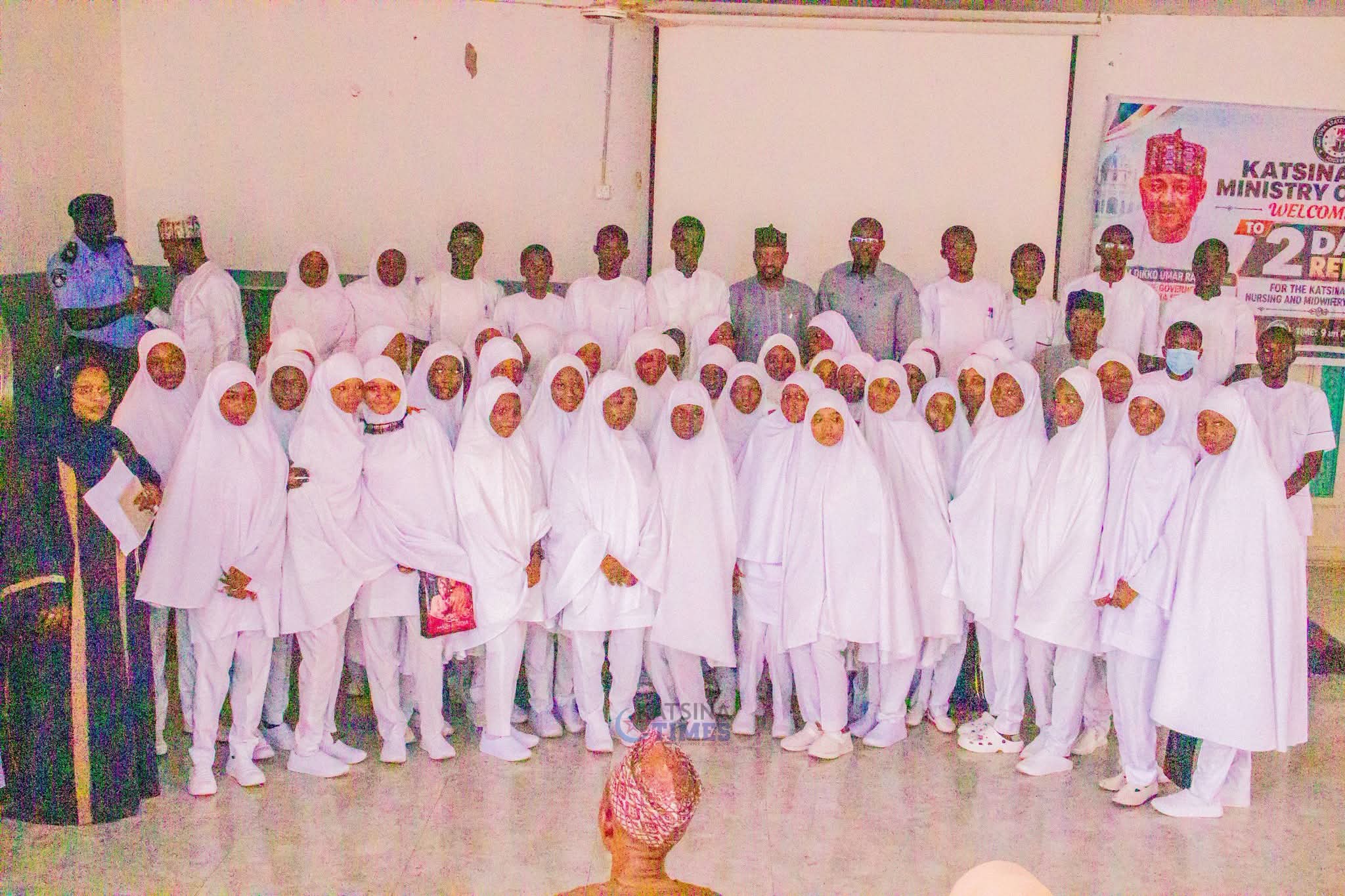
The two-day retreat was organised by the Katsina State Ministry of Health for members of the State Nursing and Midwifery Committee.
.jpg)


Comments (0)
No comments yet. Be the first to share your thoughts!