


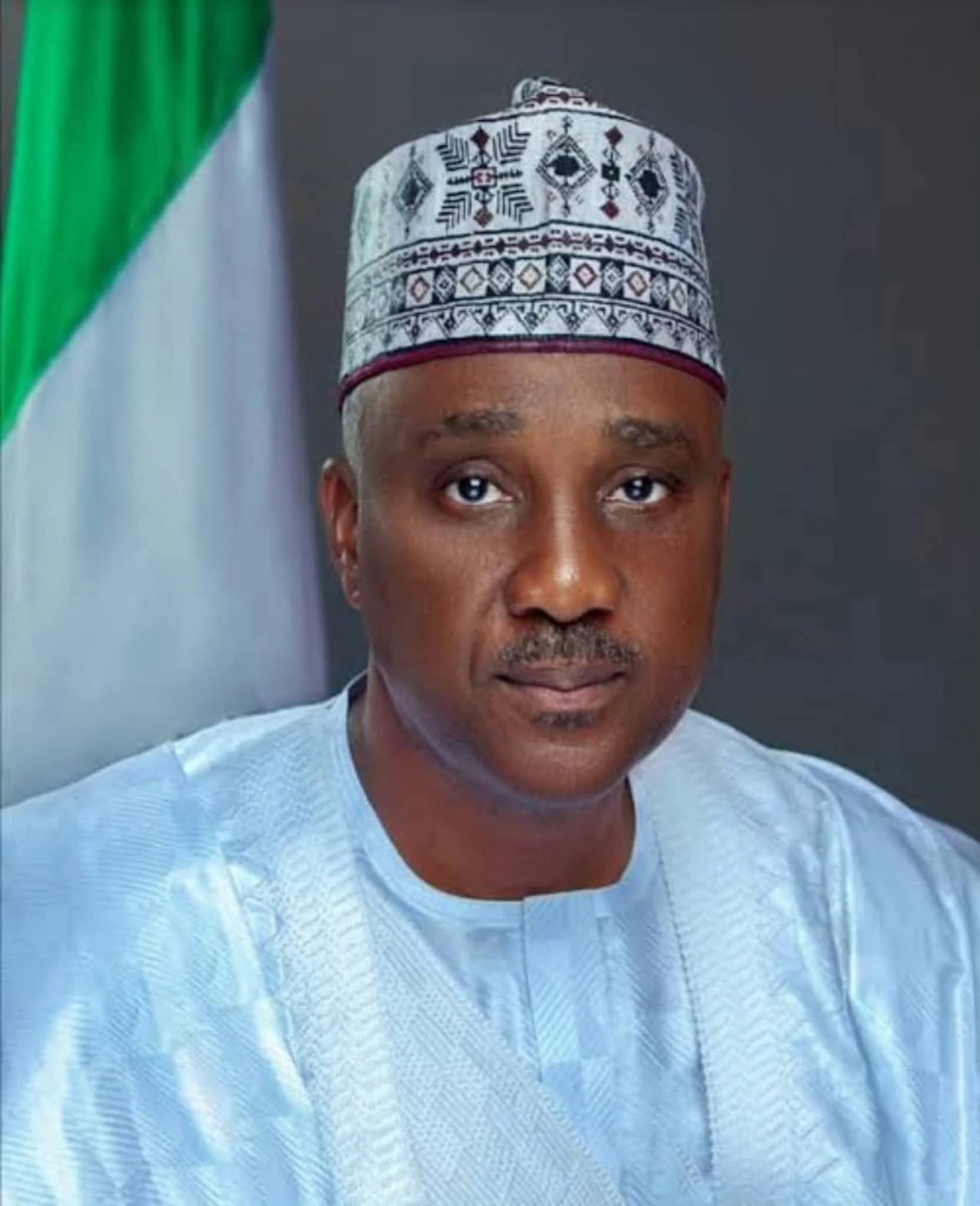
The Speaker of the House of Representatives, Rt. Hon. Abbas Tajudeen, Ph.D., GCON, has said President Bola Ahmed Tinubu is working diligently to tackle Nigeria’s public debt through a non-oil revenue drive, while stressing the need for responsible borrowing to support sustainable development.
Speaking at the opening of the 11th Annual Conference and General Assembly of the West Africa Association of Public Accounts Committees (WAAPAC) in Abuja on Monday, Abbas—represented by the Leader of the House, Prof. Julius Ihonvbere—warned that unchecked debt could threaten Nigeria’s economic stability and the welfare of future generations.
“Public debt, when managed prudently, can be a tool for growth and prosperity. Yet, when left unchecked, it becomes a burden that erodes economic stability,” Abbas said.
The conference, organised by the House Public Accounts Committee with support from WAAPAC and international partners, focused on the theme: ‘Strengthening Parliamentary Oversight of Public Debt: The Role of Finance and Public Accounts Committees.’
Abbas noted that his position was not a call to reject borrowing but a demand for transparency and accountability, insisting that “every naira borrowed must translate into real value for Nigerians.” He linked this approach to President Tinubu’s Renewed Hope Agenda, which prioritises fiscal discipline, prudent resource management, and investments in infrastructure, education, green energy, and social welfare.
Last week, President Tinubu disclosed that Nigeria had met its 2025 revenue target ahead of schedule, eliminating the need to borrow to finance the budget. “Nigeria is not borrowing. We have met our revenue target for the year, and we met it in August,” Tinubu told stakeholders of The Buhari Organization in Abuja.
At the WAAPAC event, Abbas went further to highlight the debt burden on African nations, noting that Western private lenders currently hold about 35 percent of Africa’s external debt, while multilateral institutions like the World Bank and IMF account for 39 percent. He observed that Chinese creditors hold 12 percent—contrary to widespread perceptions—while bilateral loans from other governments make up 13 percent.
“Bondholders alone represented 27 percent of Africa’s external debt in 2019, making them the largest creditor group ahead of China,” Abbas explained.
He argued that African countries must focus on mobilising domestic resources, boosting intra-African trade, and designing financial instruments tailored to their development priorities. “Only then can we move from vulnerability to resilience, and from dependency to true economic sovereignty,” he said.
Abbas stressed that legislative oversight of public debt was both a democratic duty and a moral responsibility, adding that debt servicing was consuming too much of national revenues that should be channeled into critical needs such as roads, schools, hospitals, and innovation.
He warned that the high cost of commercial loans and repayment in foreign currencies continue to expose African economies to external shocks, thereby narrowing fiscal space and slowing development.
“The implications of this debt structure are far-reaching, and the urgency of safeguarding our financial future cannot be overstated,” the Speaker concluded.