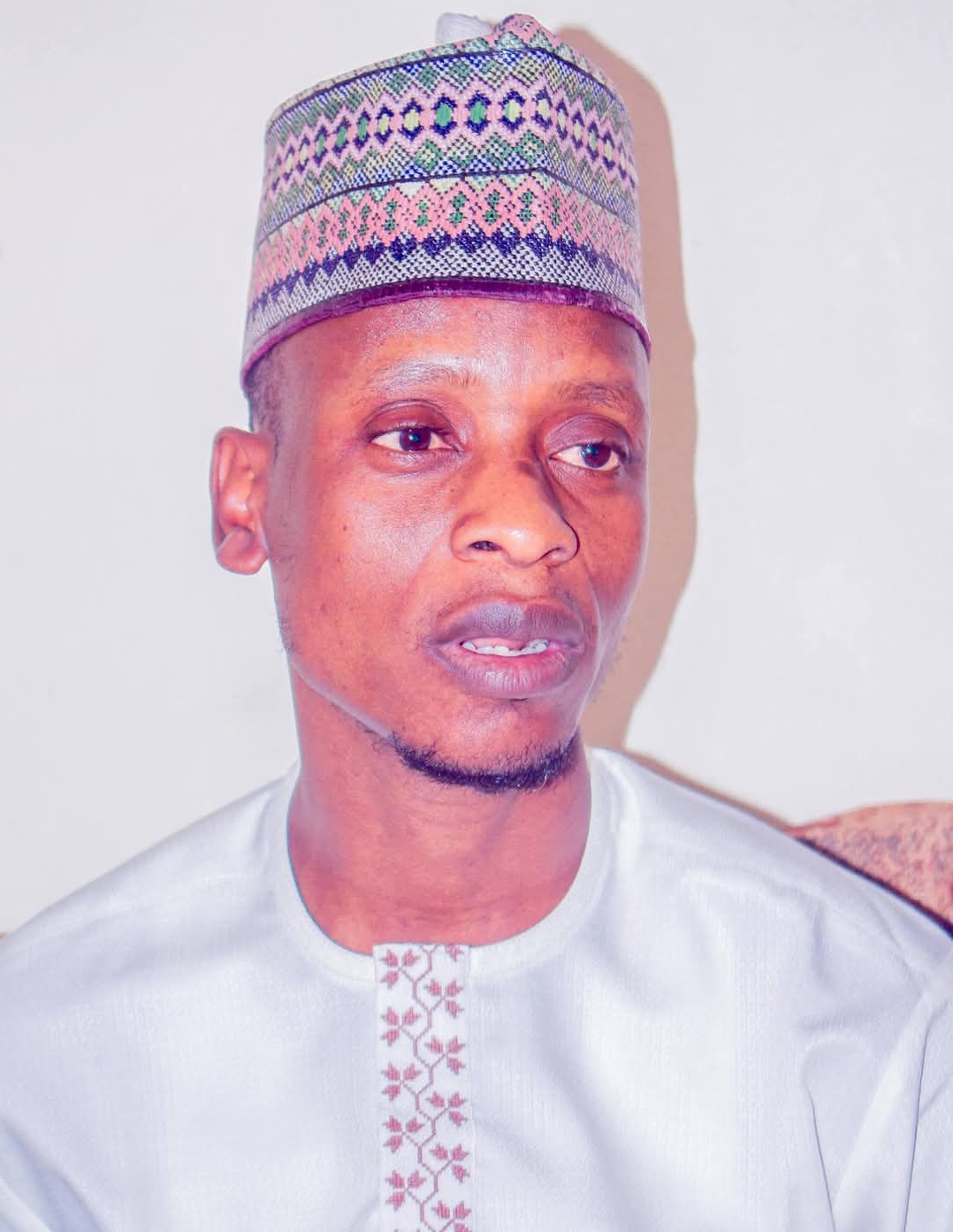
Aminu Batsari Lawal
Secretary
KASSAROTA
On a cool Monday morning, I sat quietly on the sofa, lost in deep reflection. My thoughts drifted steadily toward one place, Katsina. Questions began to form, not out of doubt, but from a desire for clarity and direction: Where are we now? Where do we want to be? And are we truly on the path to getting there?
These are not just abstract questions; they are fundamental to the future of any society. In attempting to answer them, one must rely on logic, evidence, and a careful assessment of realities on the ground. It requires connecting inferences, examining policy directions, evaluating commitments, and, perhaps most importantly, assessing the level of political will.
At the center of this reflection lies the current leadership and the opposition, two forces that, in different ways, shape the trajectory of the state. Governance is not only about those in power but also about the quality of engagement, criticism, and alternatives provided by those outside it. When both sides operate with clarity, responsibility, and a genuine commitment to development, the people benefit. But when the focus shifts to rivalry without substance, the state risks stagnation.
Katsina, like many states, is at a critical point. The expectations of the people are high, and rightly so. Citizens are not merely looking for promises; they are looking for visible progress; improvements in security, education, infrastructure, economic opportunities, and overall quality of life. They want to feel a sense of direction, a sense that the state is moving forward with purpose.
For Katsina to “breathe again,” there must be a deliberate shift toward result-driven governance. Policies must not only be well-designed but effectively implemented. There must be a clear link between government plans and the everyday realities of the people. Development should not exist only on paper; it must be seen, felt, and measured.
Equally important is the issue of accountability and transparency. Trust between the government and the people is built when actions match words. Open communication, responsible use of public resources, and visible outcomes are essential in restoring confidence and strengthening governance.
Another critical factor is inclusive participation. Development cannot be achieved in isolation. Youth, professionals, community leaders, and civil society must all have a role to play. When people feel included, they become stakeholders in progress rather than passive observers. Malam Dikko Radda, PhD, Executive Governor of Katsina State, has, within his first three years in office, made notable efforts in these areas and continues to build on them.
The opposition, on its part, must rise to the responsibility of offering constructive engagement. Criticism is necessary in a democracy, but it must be informed, objective, and solution-oriented. The goal should not be to weaken governance, but to strengthen it through better ideas and accountability.
Ultimately, the question is not whether Katsina has potential, with Malam Dikko Radda, PhD, the potential is evident. The real question is whether that potential can be translated into tangible outcomes through discipline, coordination, and genuine commitment to public service. The opposition, which includes many capable sons and daughters of Katsina, should focus on how to sharpen the government’s direction rather than distract it with unverified claims that may mislead the public.
Katsina should breathe again, not just in rhetoric, but in reality: a state where governance is purposeful, leadership is accountable, opposition is constructive, and citizens are hopeful.
The path forward is not beyond reach. It requires clarity of vision, unity of purpose, and the courage to prioritize long-term development over short-term interests.
The moment for reflection is now, but more importantly, the moment for action is here. Today, the focus should not be on who to replace, but on how to ensure that current efforts are sustained and built upon. Given the progress made, Malam Dikko Radda is poised for a second term. The emphasis should not be on who can dominate the opposition, but on how to secure broad-based support to consolidate existing gains.
Through this, Katsina can demonstrate responsible politics, rooted in purpose, not sentiment, where the collective interest of the state comes first.
Let us support the vision to achieve “Dikko Falle Biyu” for continued prosperity and development.