


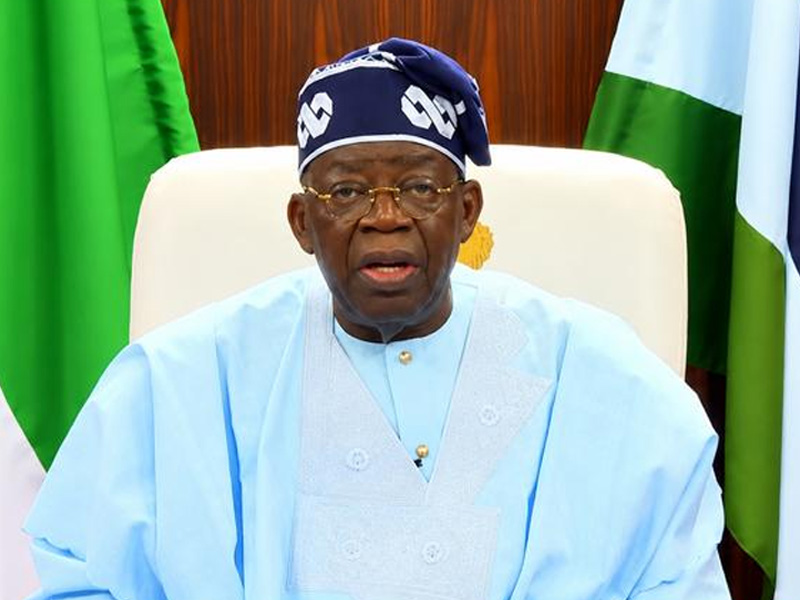
President Bola Tinubu says Nigeria has made significant progress in reducing its dependence on oil revenue, as his administration intensifies efforts to diversify the economy and attract investment into non-oil sectors.
Tinubu, represented by Vice President Kashim Shettima, made the declaration on Tuesday in Abuja during the fifth anniversary celebration of the Nigerian Upstream Petroleum Regulatory Commission (NUPRC).
“We have already reduced our dependence on oil revenue, and we intend to go further,” the President said.
He said the administration’s diversification agenda was centred on sectors such as agriculture, manufacturing, digital technology and the creative industry, while acknowledging that oil and gas would remain important to Nigeria’s economy for the foreseeable future.
According to him, the petroleum sector would continue to play a major role in providing energy, foreign exchange and government revenue, even as the country works to build a broader economic base that is less vulnerable to fluctuations in the oil market.
The President’s position comes amid a series of reforms by his administration aimed at boosting oil production, improving revenue collection and creating a more attractive environment for investment in the petroleum industry.
In February, Tinubu signed an executive order directing oil and gas revenues due to the Federation to be paid directly into the Federation Account. The order also removed some deductions previously retained by NNPC Limited, including a 30 per cent management fee on profit oil and profit gas.
Despite the push to reduce reliance on petroleum earnings, oil remains a major source of Nigeria’s public revenue and foreign exchange. The sector has, however, continued to contend with unstable production levels, fluctuating crude prices, security challenges and operational difficulties.
Tinubu said his administration’s efforts to improve security and strengthen cooperation among oil producers, host communities, security agencies and NUPRC had helped stabilise crude production.
He also said the reforms were beginning to restore investor confidence, claiming that investors who had previously exited Nigeria were returning to the country.

According to the President, Nigeria has emerged as Africa’s leading destination for upstream oil and gas investment for two consecutive years, reflecting growing interest in the country’s petroleum resources.
The Minister of State for Petroleum Resources (Oil), Heineken Lokpobiri, said Nigeria currently produces about 1.7 million barrels of crude oil daily and has more than 37 billion barrels of oil reserves.
Lokpobiri stressed the need for increased investment, further licensing rounds and intensified exploration to unlock the full potential of the country’s oil resources.
The NUPRC has also reported increased investment activity in the upstream sector. The regulator said it had approved more than $57 billion worth of Field Development Plans since 2024, with 22 major offshore projects expected to commence production between 2026 and 2030.
The projects are projected to attract between $30 billion and $50 billion in additional investment into Nigeria’s oil and gas industry.
NUPRC data showed that Nigeria’s oil and condensate reserves stood at 37.01 billion barrels as of January 2026, while the country’s natural gas reserves had risen to 215.19 trillion cubic feet.
Tinubu also placed gas at the centre of Nigeria’s future energy plans, declaring that the country was entering what he described as a “decade of gas.”
“With the largest gas reserves in Africa, we will expand gas supply for power, industry and clean cooking, reduce flaring and methane emissions, and grow renewable energy alongside it,” he said.
The President’s remarks underscore his administration’s attempt to strike a balance between maintaining the petroleum sector as a major economic pillar and reducing Nigeria’s long-standing dependence on crude oil as the main driver of government revenue.

.jpg)
Comments (0)
No comments yet. Be the first to share your thoughts!