


PRESS RELEASE
RIVERINE SECURITY URGES FG TO PRIORITISE WATERWAYS TRANSPORTATION TO REDUCE ROAD ACCIDENTS, TRAFFIC AND BOOST NIGERIA’S ECONOMY
“Nigeria Cannot Continue to Depend Almost Entirely on Roads for the Movement of People and Goods” — Commander Bibi Oduku
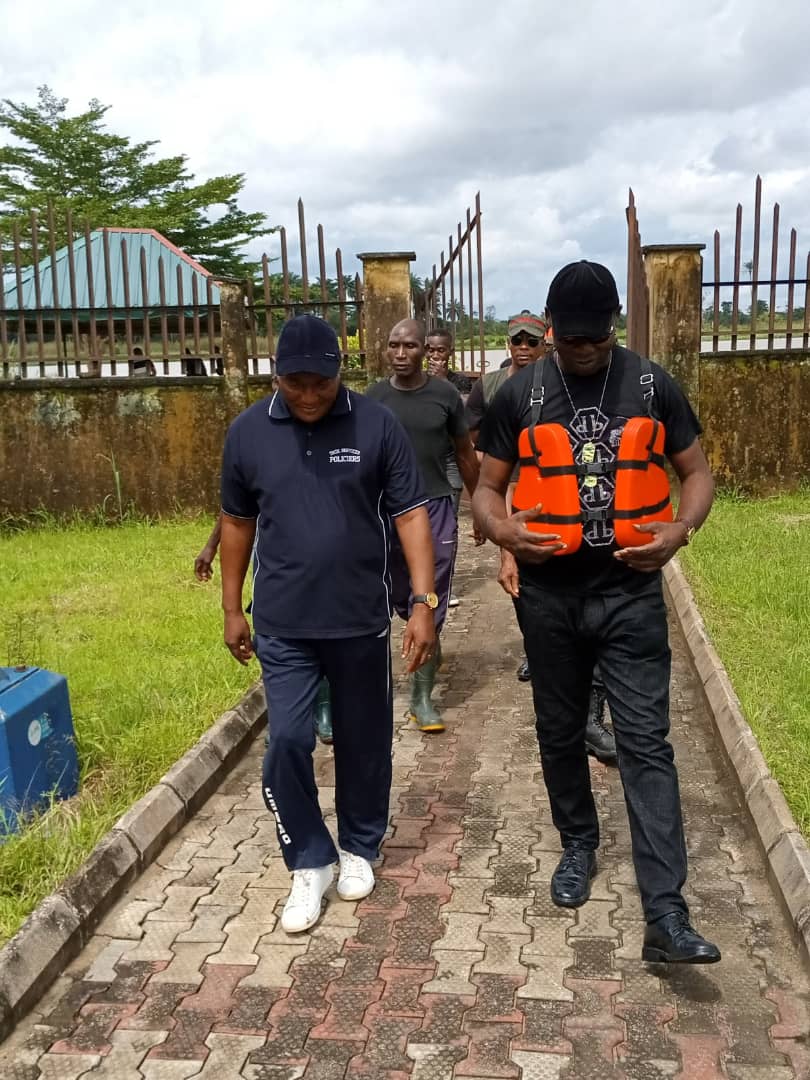
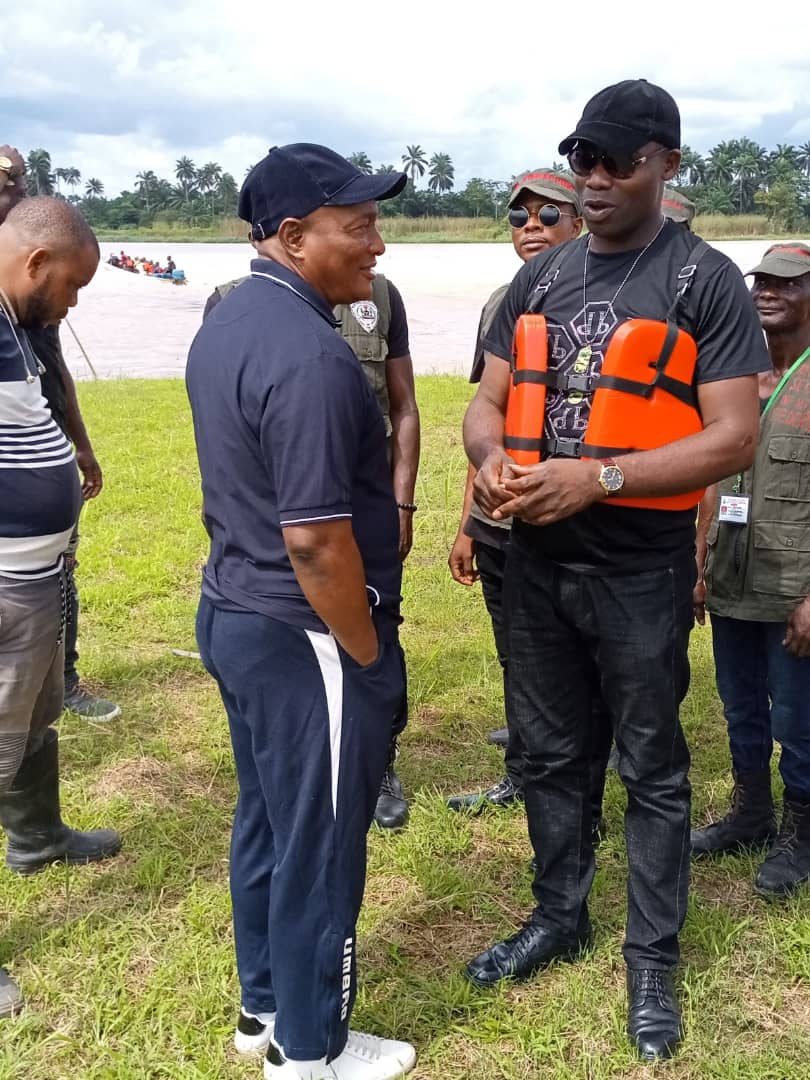
ABUJA, NIGERIA — The Commandant General of Riverine Security (Coast Guard of the Federation), Commander Bibi Oduku, after special assignments on moving monitoring the happenings in the riverine communities, has called on the Federal Government to urgently prioritize the development, modernization and security of Nigeria’s waterways transportation system as a critical component of the country’s transportation, logistics, economic and national development strategy.
Commander Oduku made the call while speaking on the prevailing situation in Nigeria’s marine and riverine sectors, stressing that the country possesses enormous inland-waterway and maritime potential which remains significantly underutilized.
According to him, the continued heavy dependence on road transportation for the movement of large volumes of goods across the country is placing unnecessary pressure on Nigerian highways and contributing to road accidents, traffic congestion, road deterioration and prolonged delays in the movement of goods.
“Nigeria cannot continue to depend almost entirely on the roads for the movement of people and large volumes of goods when we have an extensive network of waterways capable of supporting a modern transportation and logistics system. We need to begin treating our waterways as strategic national infrastructure.”
Commander Oduku noted that the constant movement of trailers and other heavy-duty vehicles between different parts of the country contributes significantly to highway congestion and road damage. He further observed that emissions from large numbers of heavy-duty vehicles contribute to environmental pollution, particularly in densely populated areas and major transportation corridors.
The Riverine Security Commandant General called on the Federal Ministry of Transportation, Federal Ministry of Marine and Blue Economy, National Inland Waterways Authority (NIWA), Nigerian Ports Authority (NPA), Nigerian Maritime Administration and Safety Agency (NIMASA) and other relevant government institutions to develop a comprehensive and coordinated national strategy for waterways transportation.
He urged the relevant authorities to embrace modern technology and international best practices in the development and management of Nigeria’s waterways.
“Our waterways must be made accessible, navigable, safe and commercially viable. Government should invest in modern jetties, terminals, navigation systems, passenger boats, cargo transportation facilities, marine communication systems, safety infrastructure and effective waterways management.”
He stressed that investment in waterways infrastructure would significantly improve the movement of agricultural produce, petroleum-related products, manufactured goods and other commodities while providing an alternative transportation corridor for businesses and citizens.
Commander Oduku further stated that developing the marine transportation sector would create substantial employment opportunities for Nigerians and open new avenues for private-sector investment.
“A properly developed waterways transportation system is not only about moving goods and passengers. It is also about creating jobs, stimulating businesses, attracting domestic and international investment, developing riverine communities and increasing government revenue.”
He explained that the development of marine transportation could stimulate activities across several sectors, including boat manufacturing and maintenance, marine engineering, logistics, port operations, cargo handling, tourism, fisheries, security services and other maritime-related businesses.
Addressing concerns over piracy, militant activities, criminality and other security challenges in some maritime and riverine locations, Commander Oduku said security challenges should not become a reason for abandoning the development of Nigeria’s waterways.
He emphasized the important role being played by the Nigerian Navy, alongside other security agencies, marine security organizations and community-based security structures, in protecting lives and property and maintaining peace in the nation’s maritime environment.
“We should not be afraid to develop our waterways because of the activities of sea pirates, militants or other criminal elements. Security and infrastructure development must move together. The Nigerian Navy and other security agencies are already playing vital roles in securing our maritime environment, and stronger inter-agency cooperation will further strengthen that effort.”
He advocated increased collaboration among government agencies, security organizations, legitimate marine operators, traditional institutions and riverine communities to ensure that waterways remain safe for legitimate commercial and passenger activities.
Commander Oduku also raised concerns over the socioeconomic conditions of people living in several riverine communities, particularly within the Niger Delta region.

He said many communities that contribute significantly to Nigeria’s natural-resource economy continue to experience inadequate access to essential infrastructure and social services.
According to him, inadequate transportation infrastructure, healthcare facilities, educational institutions, potable water, electricity and other basic amenities continue to affect the quality of life of many residents.
“It is unacceptable that communities contributing immensely to the economic strength of Nigeria should continue to feel abandoned. The people in our riverine communities deserve to see meaningful development around them. They deserve quality education, accessible healthcare, transportation infrastructure and other basic necessities of life.”
The Commandant General disclosed that Riverine Security has repeatedly raised concerns with relevant government ministries and authorities regarding the educational and healthcare challenges confronting riverine communities.
He expressed particular concern about children, pregnant women, elderly persons and other vulnerable residents who face difficulties accessing adequate healthcare and educational opportunities.
He called for government interventions that go beyond official promises and produce measurable results on the ground.
Commander Oduku also appealed to companies operating within Nigeria’s oil and gas industry to play a more active role in the development of the riverine communities where they operate.
He called for stronger partnerships between the Federal Government, State Governments, oil and gas companies, private investors, maritime operators and host communities.
“The development of our riverine areas should be a collective responsibility. Government and the oil and gas industry must work together to develop infrastructure, improve marine transportation, strengthen security, protect the environment and create sustainable opportunities for the people.”
Riverine Security further called for the development and implementation of a comprehensive National Waterways Transportation Master Plan that would integrate inland waterways, seaports, road networks, rail transportation and other logistics systems.
According to Commander Oduku, Nigeria needs an integrated transportation system in which waterways complement roads and railways rather than operating as an underdeveloped alternative.
He urged the Federal Government to consider waterways transportation as an important part of Nigeria’s long-term economic diversification and national infrastructure strategy.
Commander Bibi Oduku concluded by calling on the Federal Government and all relevant stakeholders to move from discussions and policy declarations to practical implementation.
“Nigeria has the waterways, the human resources and the economic potential. What we need is the political will, investment, modern technology, proper regulation and sustained security to unlock this potential.”
He emphasized that developing Nigeria’s waterways would contribute to safer transportation, reduce pressure on highways, improve logistics, create employment, strengthen maritime security, stimulate investment and promote the socioeconomic development of riverine communities.
“The time for action is now. Investing in Nigeria’s waterways is investing in safer transportation, economic growth, national security, job creation and the future of our nation.”
END
Issued by:
Commander Bibi Oduku
Commandant General
Riverine Security (Coast Guard of the Federation)
Nigeria.
.jpg)
Comments (0)
No comments yet. Be the first to share your thoughts!