


By Mu'azu Hassan
@ katsina Times
The Federal University of Transportation, Daura (FUTD), has unveiled a research project examining the historical dynamics of Trans-Saharan trade and its relevance to contemporary African development, with a focus on transportation, regional integration and sustainable economic growth.
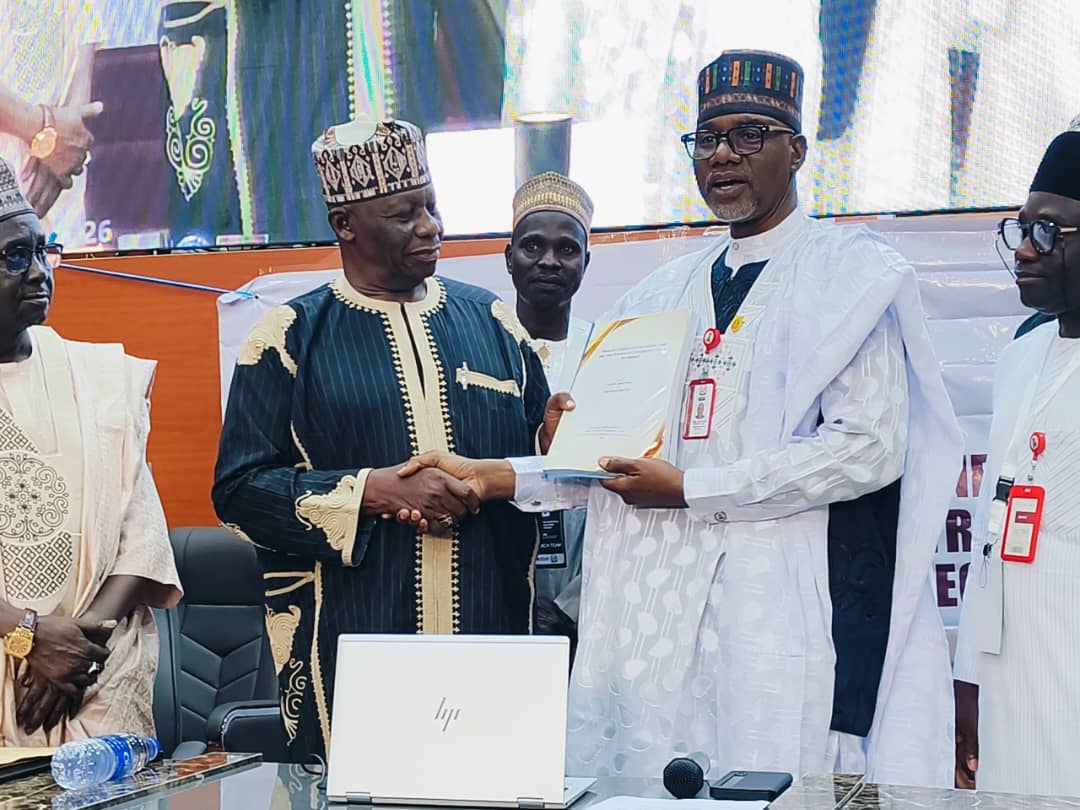
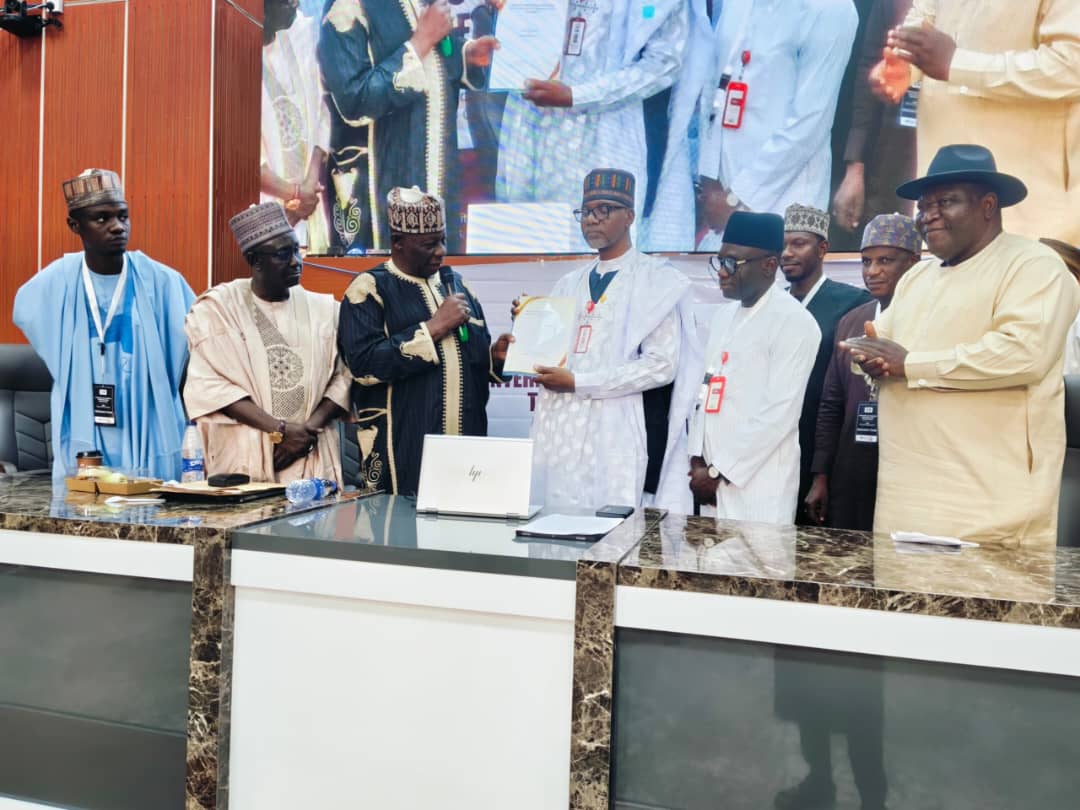
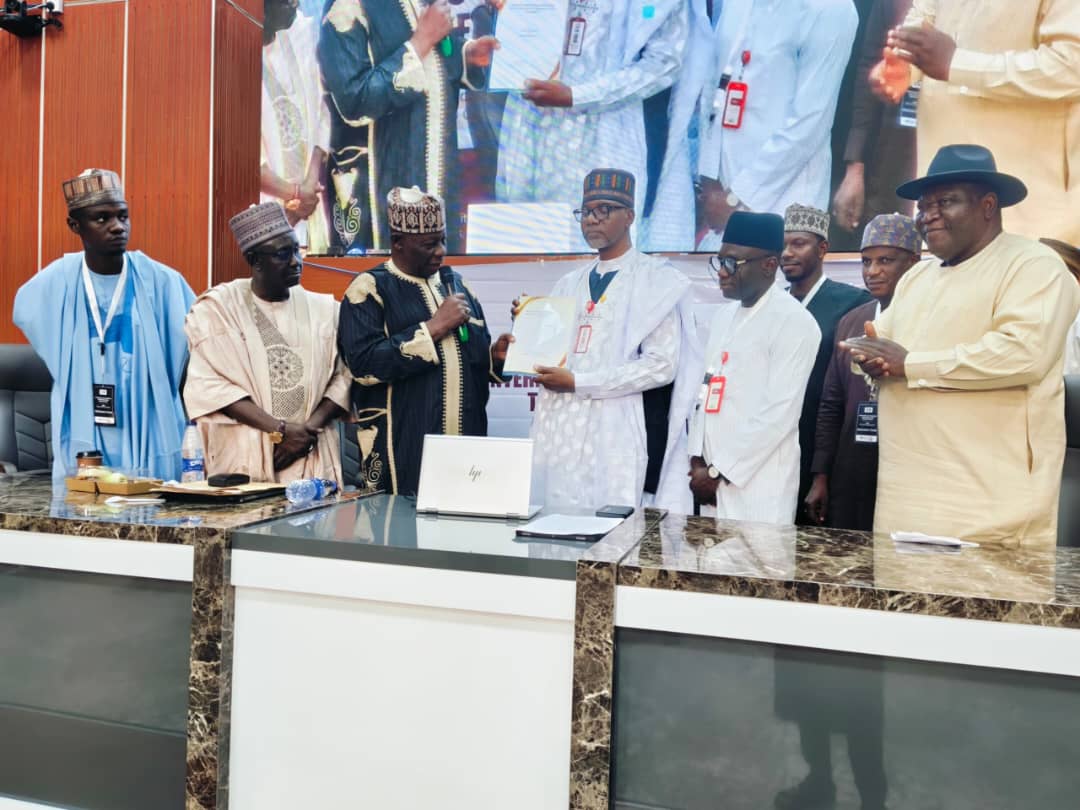
The project, titled “Historical Dynamics of Trans-Saharan Trade and Their Relevance to Contemporary African Development,” was unveiled on Monday, October 19, 2026, during an International Exit Conference held at the TETFund Auditorium, headquarters of the Tertiary Education Trust Fund (TETFund), Maitama, Abuja.
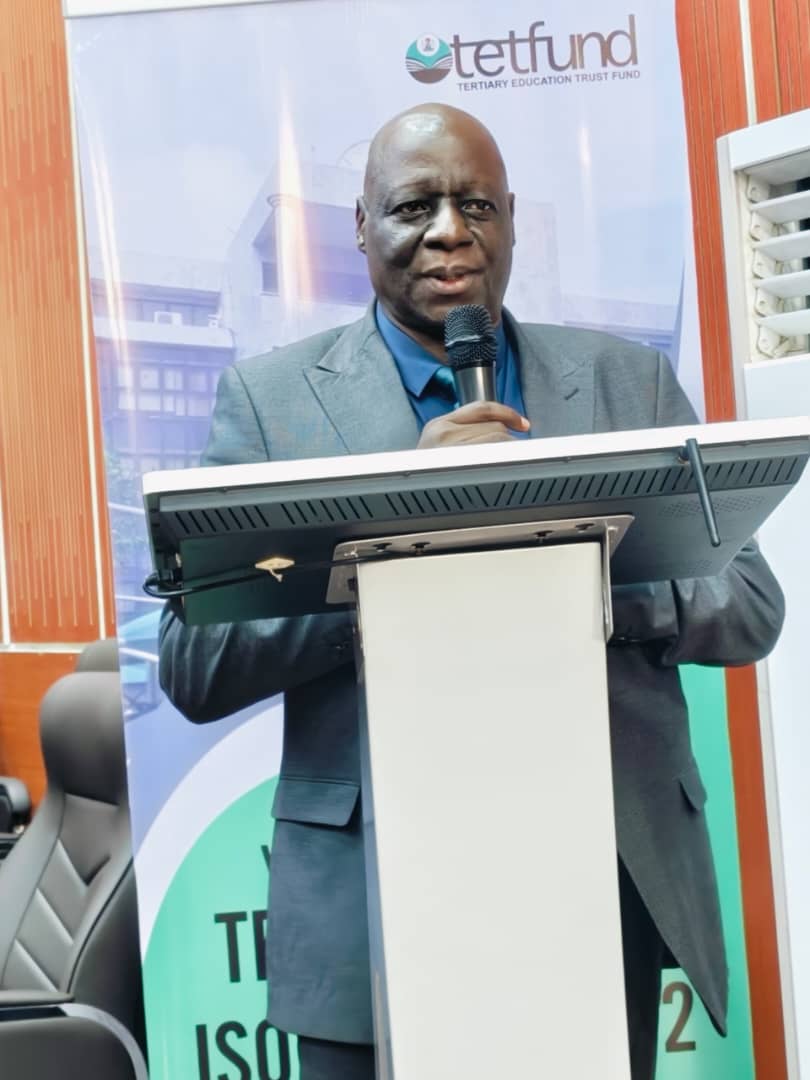
Speaking at the conference, the Vice-Chancellor of FUTD, Professor Umar Adam Katsayal, mni, said the research marked the culmination of an important academic undertaking that explored one of Africa's most significant historical institutions: the Trans-Saharan trade network.
Professor Katsayal said the findings demonstrated that Africa's history was rich in interconnectedness, entrepreneurship, mobility and regional cooperation, adding that African societies had developed sophisticated trade systems long before the emergence of contemporary globalisation.
According to him, these historical networks connected communities, stimulated economic activities and promoted mutual prosperity across different regions of the continent.
He noted that understanding these experiences could provide valuable insights for policymakers, scholars and development practitioners seeking sustainable solutions to Africa's economic and developmental challenges.
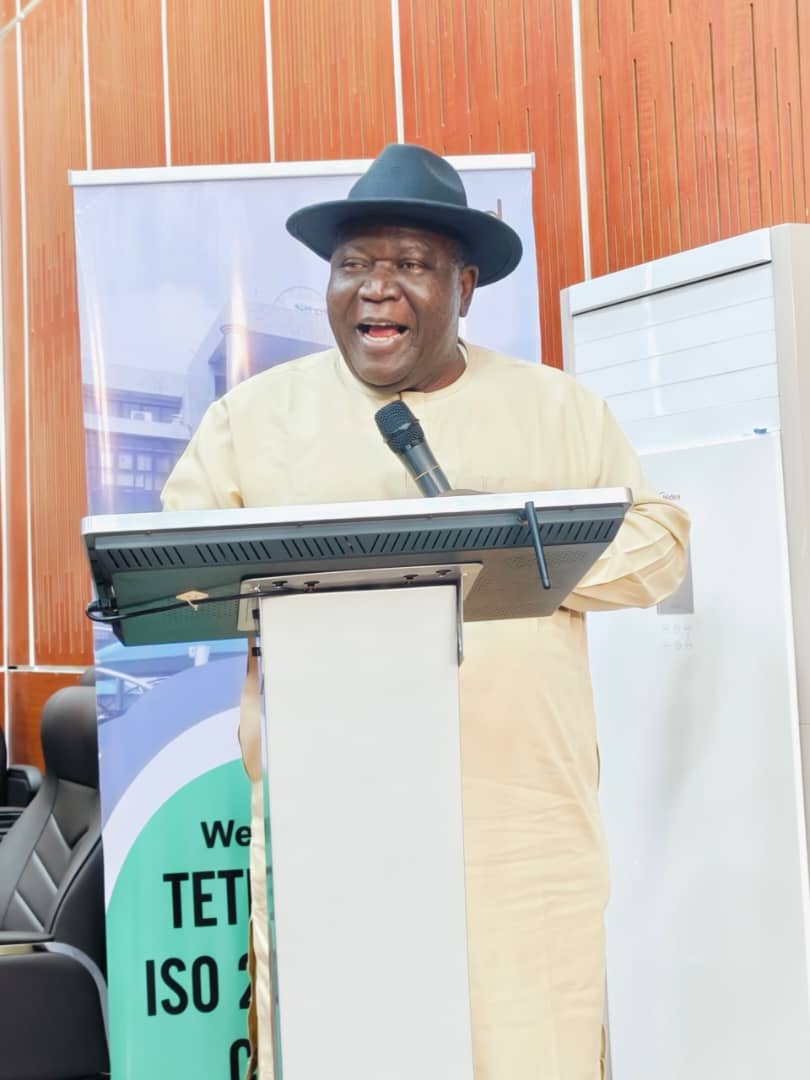
The Vice-Chancellor emphasised that the research was particularly relevant to FUTD's mandate as an institution dedicated to transportation education, research and innovation.
He explained that transportation networks had historically served as the backbone of economic development, enabling the movement of people, goods and ideas while strengthening commercial activities and regional integration.
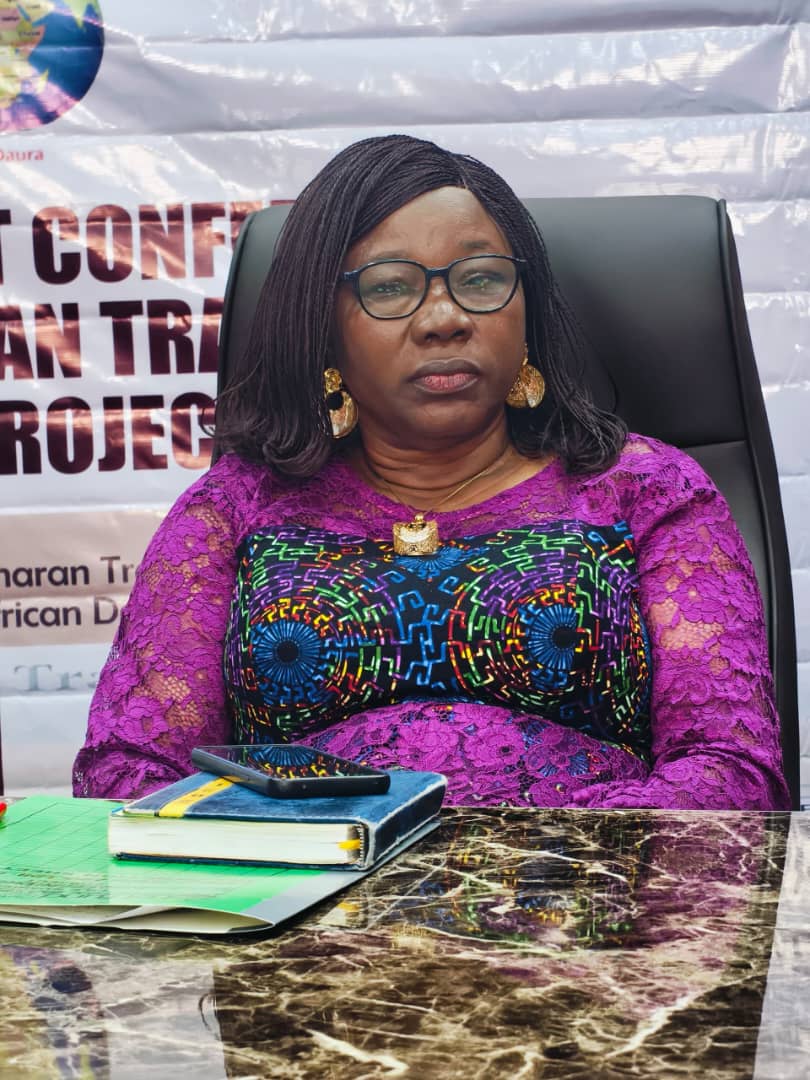
Professor Katsayal added that the lessons from the Trans-Saharan trade routes remained relevant as African countries continued to invest in modern transportation infrastructure, railway systems, regional corridors and logistics networks under initiatives such as the African Continental Free Trade Area (AfCFTA).
He also said the initiative was designed to encourage sustainable research and support the professional development of young academics while building strong networks in transportation education, research and innovation at local and international levels.
The Vice-Chancellor urged stakeholders to ensure that the research findings reached audiences beyond the academic community so that they could inform public policy and practical development initiatives.
He commended TETFund for sponsoring the project in its entirety and praised the principal investigators, researchers, collaborating institutions and other stakeholders for their contributions to its successful completion.
Research Findings to Inform Policy

Earlier, the lead researcher, Professor Yakubu A. Ocheifu, outlined the objectives of the conference, explaining that it was organised to present the research findings for critical assessment by scholars and practitioners outside the research team.
He said another major objective was to translate the findings into practical policy recommendations through engagement with relevant government agencies, regional organisations, development institutions and academic partners.
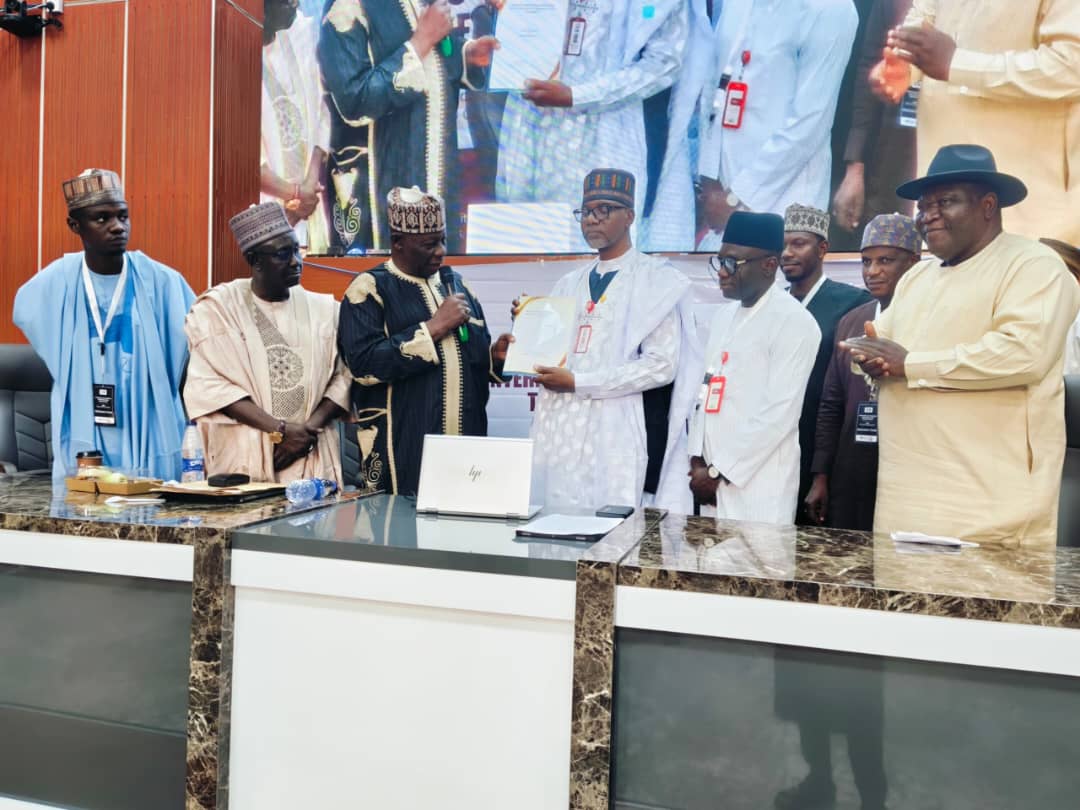
Professor Ocheifu identified the Tertiary Education Trust Fund, the Federal Ministry of Transportation, the ECOWAS Secretariat, AUDA-NEPAD, the Centre for Black and African Arts and Civilisation (CBAAC), the Historical Society of Nigeria and partner universities, including institutions in Maiduguri, among the stakeholders whose participation would help advance the research objectives.
He stressed the importance of building cross-border research networks, noting that trade corridors extending across the Sahara could not be adequately studied or managed from one country's perspective alone.
According to him, the conference also sought to establish clear follow-up actions, identify stakeholders responsible for implementing the recommendations and develop mechanisms for assessing their impact.
He explained that the programme featured a keynote lecture, documentary screening, three concurrent sessions covering historical economic analysis, contemporary policy applications, and infrastructure and development.
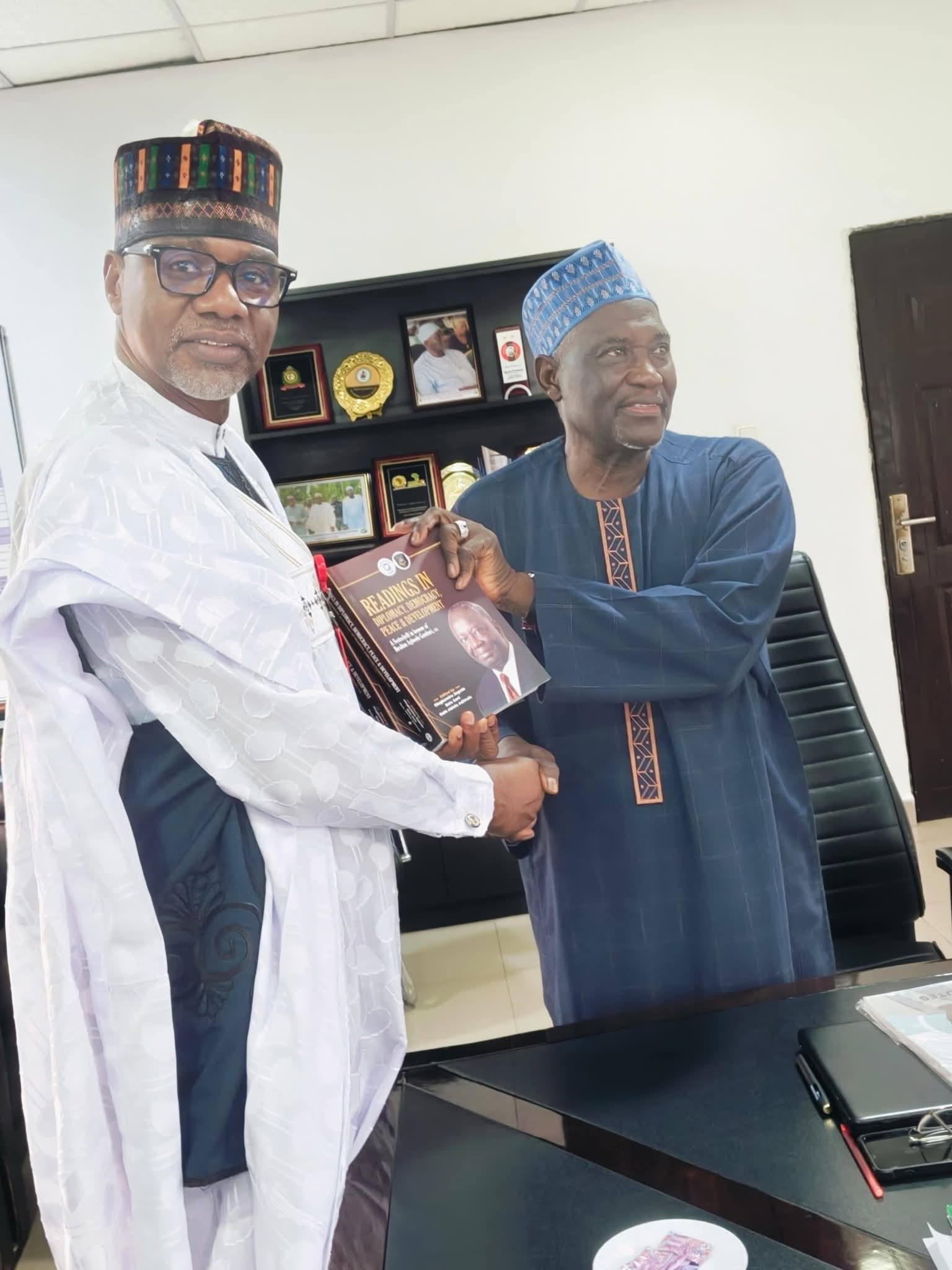
Other activities included a stakeholders' panel, a fireside chat, the unveiling of research outputs and a closing plenary session focused on future directions.
Professor Ocheifu expressed appreciation to TETFund, the Federal Ministry of Transportation, the research team and the university management for their support in executing the project.
NACCIMA Advocates Public-Private Partnerships
In his remarks, the National President of the Nigerian Association of Chambers of Commerce, Industry, Mines and Agriculture (NACCIMA) advocated structured public-private partnerships and innovative financing mechanisms to support the development of sustainable trade corridors across Africa.
He also called for greater use of development finance, investment guarantees and stronger collaboration among governments, the organised private sector, development partners and institutions involved in preparing bankable infrastructure projects.
The NACCIMA president welcomed further collaboration with FUTD, expressing hope that the outcomes of the conference would complement the association's engagements and contribute to the development of sustainable, competitive and integrated African trade corridors.
He congratulated the university, TETFund, the organisers and all participants on the successful completion of the research project and the organisation of the international conference.
The research initiative underscores the importance of linking Africa's historical trading experiences with contemporary transportation planning, infrastructure development and regional economic cooperation.
By examining the role of historical trade routes in shaping economic relationships across the continent, the project seeks to contribute to discussions on how improved transportation systems and stronger cross-border partnerships can support Africa's future development.


Comments (0)
No comments yet. Be the first to share your thoughts!