


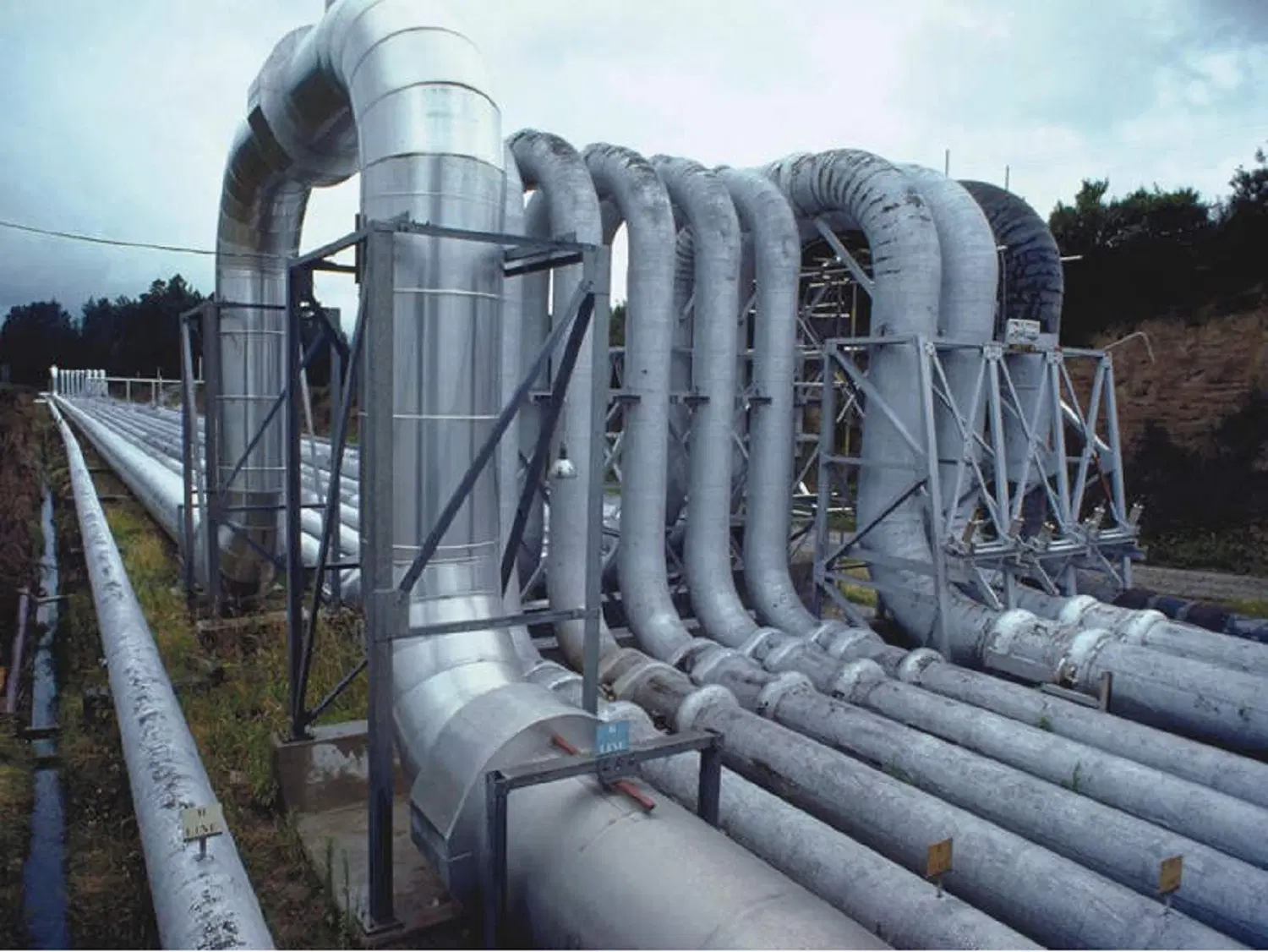
Nigerian-owned oil and gas companies now account for more than half of the country’s crude oil production, marking a major shift in the ownership and structure of the upstream petroleum sector, the Federal Government has announced.
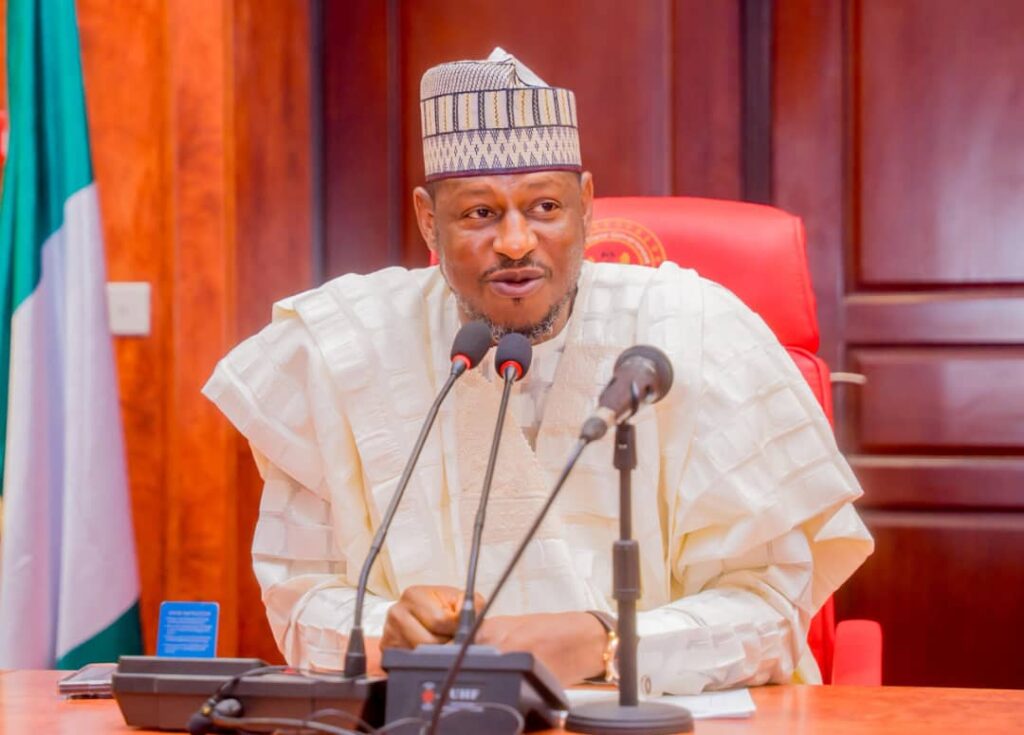
Minister of State for Petroleum Resources (Oil), Heineken Lokpobiri, disclosed this on Wednesday at the maiden Petroleum Technology Development Fund (PTDF) Journal Summit 2026 in Abuja.
The minister, who was represented at the event by his Technical Adviser, Emmanuel Sinime, attributed the development largely to the divestment of assets by major international oil companies, which he said had opened up new opportunities for indigenous operators.
Lokpobiri said Nigeria’s crude oil production had also climbed from roughly one million barrels per day in 2023 to more than 1.7 million barrels per day, while the number of active drilling rigs had risen from about 14 to over 60.
He further said Nigeria had attracted more than $10 billion in foreign direct investment into the petroleum sector in recent years.
The minister described the growing share of indigenous producers as a significant milestone for the industry, following major transactions involving international oil companies.
The development comes amid a broader increase in domestic participation in the petroleum industry. Recent government statements have also put indigenous operators' share of total oil and gas production, including condensates, above 60 per cent, although the figure cited at Wednesday's PTDF summit specifically referred to crude oil production.
Despite the production gains, Lokpobiri cautioned that higher crude output must be supported by adequate infrastructure capable of moving, storing, processing and marketing petroleum resources efficiently.
He pointed to transportation and storage facilities, increased refining capacity and a competitive market as critical requirements for ensuring that higher production translates into broader economic benefits.
The minister also cited the Dangote Petroleum Refinery and growing investments in modular refineries, including Waltersmith and Aradel, as examples of private-sector participation reshaping Nigeria's downstream petroleum industry.
Nigeria's recent production figures show that crude and condensate output averaged about 1.68 million barrels per day in August 2026, while crude production alone stood at about 1.50 million barrels per day, according to the Nigerian Upstream Petroleum Regulatory Commission.
FG Targets Gas-Led Industrial Growth
Speaking separately, Minister of State for Petroleum Resources (Gas), Ekperikpe Ekpo, said private capital, technology and technical expertise would be essential if Nigeria is to fully exploit its vast gas resources.
Ekpo said the Federal Government was working to create conditions that would attract more private investment across the petroleum value chain, with the Petroleum Industry Act providing what he described as an important framework for regulatory certainty and institutional governance.
He said the government's Decade of Gas initiative was designed to position natural gas as a major driver of industrialisation, job creation, energy security and economic diversification.
Achieving that ambition, he said, would require sustained investment in gas processing, transportation and distribution infrastructure, alongside expansion in liquefied petroleum gas, compressed natural gas, petrochemicals and other gas-based industries.
The minister acknowledged that government could not finance the transformation alone and called for stronger partnerships involving investors, banks, technology companies and other industry stakeholders.

He identified infrastructure shortages, expensive financing, project-development risks, regulatory challenges and unreliable energy infrastructure as some of the factors discouraging investment in the sector.
Ekpo also called for greater development of Nigerian technology, local manufacturing and specialised skills to reduce dependence on foreign expertise.
PTDF Pushes Research Beyond the Journal
Earlier, PTDF Executive Secretary, Shuaibu Aliyu, said the agency wanted its petroleum research journal to become more than a platform for publishing academic work.
He said the annual summit was created to bring researchers, government officials and industry players together to discuss practical solutions to challenges confronting the petroleum sector.
Aliyu said growing private investment in refining, gas processing, logistics, storage and petroleum product distribution could generate new opportunities for employment, technology transfer and local capacity development.
He stressed the need to move research findings from academic publications into practical applications, intellectual property development and commercial ventures.
According to him, stronger links between universities and industry would be necessary to tackle persistent problems involving financing, infrastructure, regulation, technology and technical capacity.
Industry Leaders Warn of Infrastructure Gaps
Managing Director of Waltersmith Petroman Oil Limited, Oladapo Filani, said Nigeria's challenge was no longer simply producing skilled professionals but ensuring that those professionals had the opportunities and infrastructure needed to apply their expertise domestically.
Filani said PTDF had sponsored more than 15,639 scholars and supported over 50,000 research projects, alongside collaborations involving industry and higher institutions.
He identified inadequate infrastructure, skills gaps, financing constraints, commercial viability and investment uncertainty as major obstacles facing the midstream and downstream segments.
According to him, weaknesses in gas gathering and processing, pipelines, storage terminals, refining support facilities and petroleum logistics continue to affect the efficiency and profitability of projects.
Pipeline vandalism, crude theft and infrastructure integrity problems were also identified as persistent threats to reliable supply, while insufficient gas processing and evacuation infrastructure continues to limit the country's ability to fully monetise its gas resources.
Filani, however, pointed to ongoing government and NNPC Limited projects, including the Ajaokuta-Kaduna-Kano (AKK), Oben-Oben and OB3 pipelines, as important infrastructure projects that could strengthen the country's gas network.
The discussions at the PTDF summit ultimately centred on a broader challenge: how Nigeria can convert rising production, expanding indigenous participation and increasing private investment into a petroleum industry with stronger infrastructure, greater local capacity and more sustainable economic returns.


Comments (0)
No comments yet. Be the first to share your thoughts!