By Zaharaddeen Ishaq Abubakar | Katsinatimes
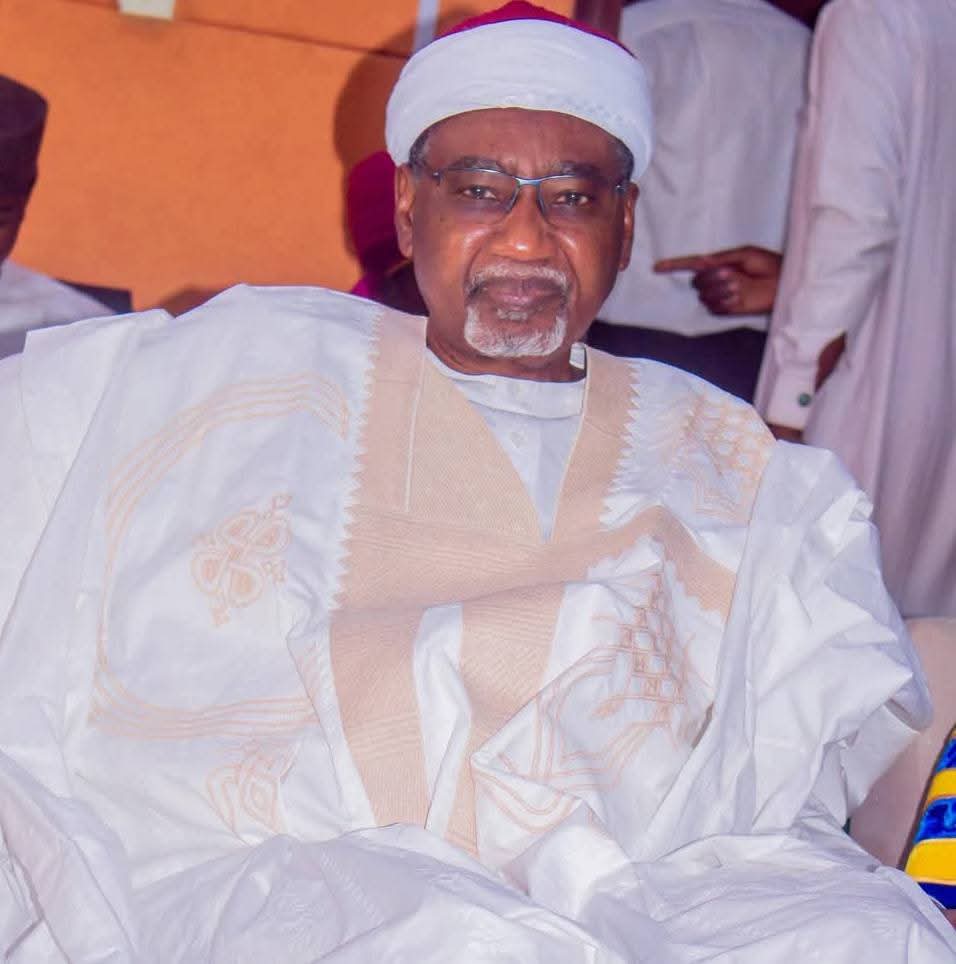
The Sardaunan Katsina and former Director-General of the National Intelligence Agency (NIA), Ambassador Ahmad Rufai, has stressed the need to integrate indigenous languages and traditional institutions into Nigeria’s security and development strategies to tackle the region’s persistent insecurity.
Rufai stated this at a four-day international conference organised by the Department of Nigerian Languages at Umaru Musa Yar'adua University (UMYU), where stakeholders gathered to examine the role of cultural systems in promoting peace and sustainable development.
He said Northern Nigeria’s security challenges—including insurgency, banditry and communal clashes—have evolved into a complex regional crisis linked to instability across the Sahel, particularly in neighbouring countries such as Niger, Mali and Burkina Faso.
According to him, the cross-border nature of these threats has compounded local vulnerabilities, especially in frontline states like Katsina.
“The security situation in Northern Nigeria is part of a wider regional conflict system and must be understood within that context,” he said.
Rufai noted that the impact of insecurity has been devastating, leading to loss of lives, displacement of communities and destruction of livelihoods, thereby slowing progress towards the United Nations Sustainable Development Goals (SDGs).
He, however, identified indigenous languages as critical but underutilised tools in addressing the crisis, describing them as repositories of culture, identity and traditional knowledge.
Languages such as Hausa, Fulfulde, Kanuri and Nupe, he said, play vital roles in community cohesion, conflict resolution and cross-border trade, particularly in rural and border communities.
“These languages facilitate trust, communication and economic interaction among people, even across national boundaries,” Rufai added.
He also highlighted the role of traditional institutions, including emirates and chiefdoms, noting that they remain influential in grassroots governance and conflict mediation.
“In many communities, traditional leaders serve as the first point of contact in resolving disputes and maintaining social order,” he said.
Rufai observed that despite their importance, both indigenous languages and traditional institutions are yet to be fully integrated into formal security and policy frameworks.
He called on government and stakeholders to adopt culturally relevant approaches by incorporating indigenous knowledge systems into security architecture and development planning.
The former intelligence chief also cautioned against divisive narratives that could deepen ethnic and social tensions, referencing the views of late historian Yusuf Bala Usman on the dangers of politicising identity.
He urged participants at the conference to move beyond discussions and focus on practical solutions that would enhance peacebuilding, strengthen community engagement and support sustainable development.
Rufai further emphasised that lasting peace must be built on local realities and community ownership rather than externally imposed frameworks.
He declared the conference open and expressed optimism that its deliberations would generate actionable recommendations for addressing insecurity in Northern Nigeria.