


The road to peace in the Middle East may be longer and more complicated than any single ceasefire agreement can solve, according to Eylon Levy, a former Israeli government spokesman, who argues that the region must confront the forces keeping its conflicts alive before lasting peace can become possible.
In an interview with Deputy Editor Emmanuel Oladesu, Levy offered a sweeping assessment of the crises involving Israel, Iran, Gaza and Lebanon, while outlining what he believes must happen before the region can move away from decades of confrontation.
At the centre of his argument is Gaza, where he said the continued presence of Hamas remains the biggest obstacle to a lasting settlement.
Levy argued that Israel would not be prepared to withdraw completely while Hamas remains armed and capable of launching another attack similar to the October 7, 2023 assault.
He said any credible peace arrangement must therefore involve the disarmament of Hamas, the demilitarisation of Gaza and what he described as the “deradicalisation” of its population.
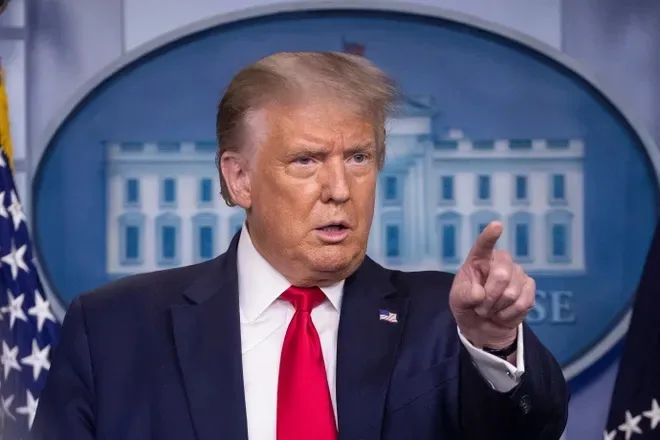
Responding to the rejection of former U.S. President Donald Trump’s proposed Peace Board plan for Gaza, Levy said Israel was concerned that the arrangement could give Hamas time to regroup rather than force the group to surrender its weapons.
For Israel, he argued, security guarantees must come before a full military withdrawal.
Levy also placed Iran at the heart of the wider regional crisis, accusing Tehran of financing and supporting Hamas and other armed groups across the Middle East.
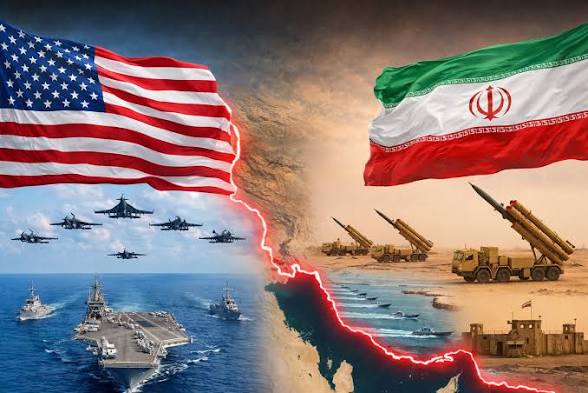
He described the confrontation between Israel and Iran as fundamentally unequal in his view, arguing that Israel’s objective is survival while the Iranian leadership seeks Israel’s destruction.
He maintained that genuine stability would remain difficult as long as the current Iranian leadership continues to support armed proxies and pursue nuclear capabilities.
But Levy's argument goes beyond Israel’s security concerns. He pointed to the economic consequences of the confrontation, saying ordinary Iranians and people around the world are also paying the price through inflation, sanctions, military spending and disruption to global trade.
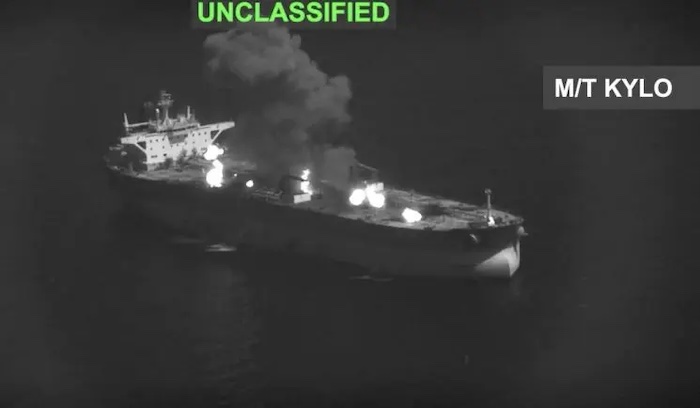
He particularly highlighted the strategic importance of the Strait of Hormuz, describing the continued restrictions on shipping through the waterway as a threat to the global economy.
Asked whether Israel could make concessions to help end the confrontation, Levy questioned what he described as the fundamental imbalance in the demands facing Israel.
He said Israel wants peaceful relations with Iran similar to those that existed before the 1979 Islamic Revolution, but argued that such a relationship would be difficult under the current Iranian government.
Levy also pointed to the Abraham Accords involving Israel, the United Arab Emirates, Bahrain and Morocco as an example of what he believes can be achieved when countries choose cooperation over confrontation.
He urged other countries in the region to consider a similar approach.

On Israel’s relationship with Arab states, Levy cited Israel’s military assistance during the recent conflict with Iran as evidence that closer regional cooperation could offer practical benefits.
He said Israel had provided missile-defence assistance when Iranian attacks targeted the UAE, arguing that such cooperation could encourage Arab countries to view Israel as a potential security partner rather than solely as an adversary.
The former spokesman, however, acknowledged that the conflicts involving Israel and Palestine, Lebanon and Iran cannot be resolved through one formula.
According to him, the common starting point must be recognition that Israel is a permanent state in the region.
On Lebanon, Levy said there had been encouraging developments, claiming that Israel and Lebanon were engaging in direct negotiations through U.S. mediation with the aim of establishing a peaceful border.
But he identified Hezbollah as the major obstacle, accusing the Iran-backed group of preventing Lebanon from achieving a lasting peace with Israel.
He argued that Lebanon would need to take concrete steps to dismantle Hezbollah’s military influence if genuine trust were to emerge.
On Iran, Levy was far less optimistic about negotiations with the current leadership.
He argued that the international community should instead support Iranians seeking political and economic change, portraying the country’s internal struggle as an important part of the wider Middle East crisis.
For Levy, the immediate priority remains preventing attacks on civilian shipping, protecting freedom of navigation and stopping Iran from acquiring nuclear weapons.
But he believes the bigger challenge lies beyond the current conflicts.
He envisaged a Middle East where sovereign countries deal directly with one another, armed proxy groups no longer dominate regional politics and governments focus more on economic development than permanent warfare.
Whether that vision can survive the region’s deep divisions remains the difficult question.
For now, the guns may determine the headlines—but Levy’s message is that lasting peace will ultimately depend on what happens after the fighting stops.
Comments (0)
No comments yet. Be the first to share your thoughts!