


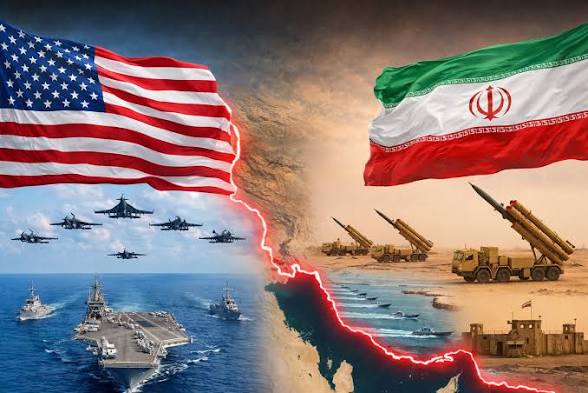
Tensions between the United States and Iran deepened on Monday after President Donald Trump demanded Tehran’s surrender, declaring that negotiations had reached a dead end and insisting that preventing Iran from obtaining a nuclear weapon remained Washington’s overriding objective.
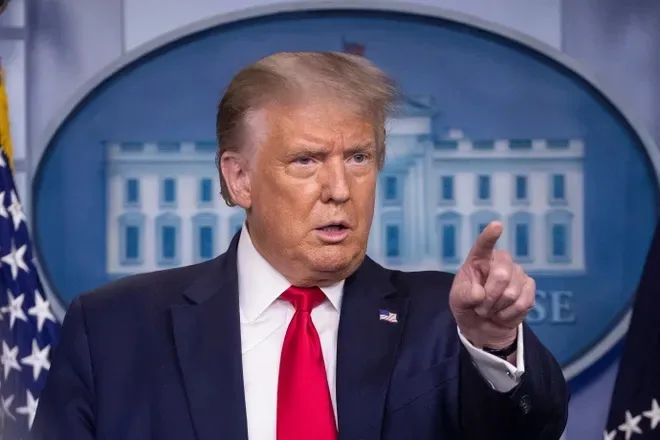
Speaking at the White House, Trump signaled a tougher stance against the Iranian government, suggesting that prospects for a diplomatic breakthrough had faded despite months of talks aimed at ending hostilities between the two countries.
According to the US president, Iran has shown little willingness to accept the terms Washington considers necessary for a lasting settlement.
“They’re not going to make the kind of deal that I feel is necessary,” Trump told reporters in the Oval Office. “We’re in this for one reason: Iran cannot have a nuclear weapon.”
His remarks came as a 60-day deadline for negotiating a comprehensive agreement expired without any significant progress, casting fresh doubt over efforts to restore stability between the longtime rivals.
The current impasse follows the collapse of an interim understanding reached in June, which called for an immediate and permanent halt to military operations by both sides.
Although the agreement initially raised hopes of easing tensions, it quickly unraveled. Trump declared the arrangement effectively dead in early July, while Iranian officials later confirmed that the deal had been suspended.
Under the temporary framework, both countries had committed to pursuing a broader accord addressing key issues, including the future of Iran’s nuclear programme. However, with the deadline now passed and talks stalled, neither side appears close to a breakthrough.
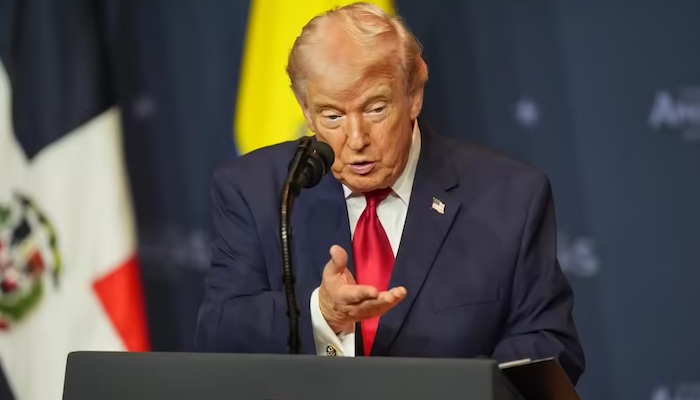
In a separate interview with Fox News, Trump intensified his rhetoric, urging Iran to “put up the white flag of surrender,” a statement likely to further strain already fragile relations.
The growing confrontation has also spilled into the strategic Strait of Hormuz, one of the world’s most important energy corridors and a critical route for global oil and liquefied natural gas shipments.

Before hostilities escalated earlier this year, nearly one-fifth of global energy supplies passed through the narrow waterway. Recent disruptions have rattled international markets, triggered concerns over energy security and contributed to rising fuel prices worldwide.
Efforts by Oman and Iran to restore normal commercial shipping through the strait have added another dimension to the crisis.
Trump, however, appeared skeptical of Oman's role, warning against any action he believes could undermine US objectives in the region.
Later, when questioned about the Gulf nation during an Oval Office briefing, the president accused Oman of failing to act appropriately but expressed confidence that Washington could manage the situation.
The prolonged conflict is increasingly becoming a political challenge for the White House, as higher fuel costs and continued military engagement fuel criticism from opponents ahead of the November midterm elections.
Control of Congress will be at stake in the polls, raising questions about whether domestic political pressure is shaping US foreign policy decisions.
Trump rejected that suggestion, insisting electoral considerations play no role in his calculations regarding Iran.
He maintained that his administration's focus remains fixed on preventing Tehran from developing nuclear weapons, a position he later repeated on his Truth Social platform.
As diplomatic channels remain frozen and rhetoric grows sharper, uncertainty continues to surround the future of US-Iran relations, with fears mounting that the collapse of negotiations could usher in a more dangerous phase of the conflict.
Comments (0)
No comments yet. Be the first to share your thoughts!