

By Taibat Ummi Yakubu
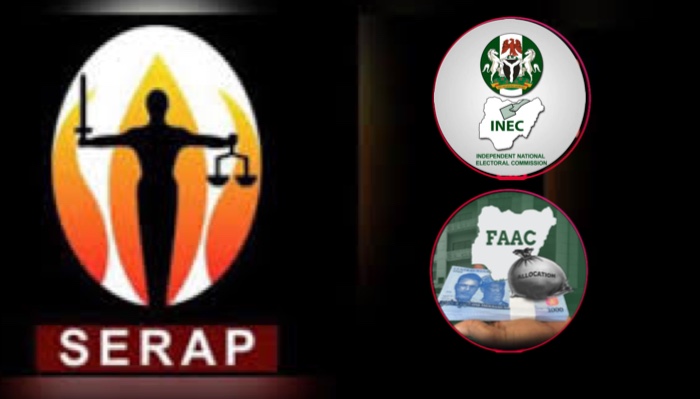
The Socio-Economic Rights and Accountability Project (SERAP) has called on the Independent National Electoral Commission (INEC) to provide a detailed explanation of how more than ₦126.46 billion in election-related funds was spent, following concerns raised in the latest report of the Auditor-General of the Federation.
The anti-corruption advocacy group gave the electoral commission a seven-day deadline to account for the expenditures, which were reportedly flagged over alleged breaches of procurement regulations and the inability of auditors to verify the delivery of some goods and services linked to election administration.
In a statement issued by its Deputy Director, Kolawole Oluwadare, SERAP said Nigerians deserve transparency regarding the management of public funds allocated for electoral activities, particularly those involving the procurement of critical election materials and equipment.
The organisation also urged the Chairman of INEC, Prof. Joash Ojo Amupitan, to refer the alleged financial irregularities to the Economic and Financial Crimes Commission (EFCC) and the Independent Corrupt Practices and Other Related Offences Commission (ICPC) for a thorough investigation. It further called for the prosecution of anyone found culpable and the recovery of public funds where evidence of wrongdoing is established.
SERAP’s demand follows observations contained in the 2023 audit report released by the Auditor-General of the Federation on August 7, 2026. The report examined government financial transactions carried out between January and December 2022, with some findings extending into 2023.
According to SERAP, the questioned expenditures relate to a wide range of election logistics and materials, including ballot boxes, electoral devices, sensitive election materials, result sheets, vehicles and other items considered essential for conducting elections across the country.
The organisation insisted that INEC must disclose the exact amounts paid, identify the beneficiaries of the transactions, provide details of the contracts awarded and procurement procedures followed, and present evidence showing that the goods and services were delivered, utilized and remain properly accounted for.

SERAP argued that such disclosures are necessary to strengthen public confidence in electoral institutions and ensure accountability in the management of resources meant to support democratic processes.
The group pointed to findings by the Auditor-General indicating that more than ₦112.15 billion was allegedly spent on ballot boxes, electoral devices and related materials without evidence of competitive bidding or the issuance of a Bureau of Public Procurement Certificate of No Objection, a key requirement under Nigeria’s procurement laws.
Even more troubling, according to the audit findings cited by SERAP, was the reported absence of evidence confirming that some of the items were actually procured. The report also questioned the credentials of several companies awarded the contracts, noting that details regarding their competence, operational capacity, experience, addresses and factory locations could not be established.
The allegations have intensified calls for greater scrutiny of public spending within government institutions, especially agencies entrusted with safeguarding Nigeria’s democratic process.
With the seven-day ultimatum now in place, attention is expected to focus on how INEC responds to the demands and whether the anti-graft agencies will be invited to examine the transactions highlighted in the audit report. The outcome could have significant implications for public trust in electoral administration and accountability in the use of public resources.


Comments (0)
No comments yet. Be the first to share your thoughts!